
After Catalunya’s Christmas traditions of the shitting shepherd in the manger and the blanketed log that shits presents for children on Christmas Day [See “Poopers” post of March 5, 2019]…then we get the also weird, but less anally-related celebration of Lent.
Brazil and New Orleans come to mind when you think of Mardi Gras. Of course Mardi Gras means Fat Tuesday in French…but what about Fat Thursday (Dijous Gras)? Yes, the Catalans start early. They have a week of celebration before Lent officially begins on Ash Wednesday. Fat Thursday kicks off the beginning of Carnival or Carnestotles in Catalan. On this day, families traditionally get together to eat a potato omelette (truita espanyola), boiled eggs, bacon, and egg sausage (butifarra d’ou). The day also signals the arrival of the king and queen of Carnival. The following days are filled with parades of floats, dancers, and marching bands.
Ash Wednesday marks the end of Carnival and the beginning of Lent, and on that day a funeral procession featuring a brass band and headed by a huge effigy of a sardine winds its way through the streets of the towns. Once the procession has reached its destination, usually the main square of town, a character of upstanding reputation addresses the sardine with a satirical testament de la sardina. After the ceremony, the burial of the sardine takes place and its effigy is set on fire.
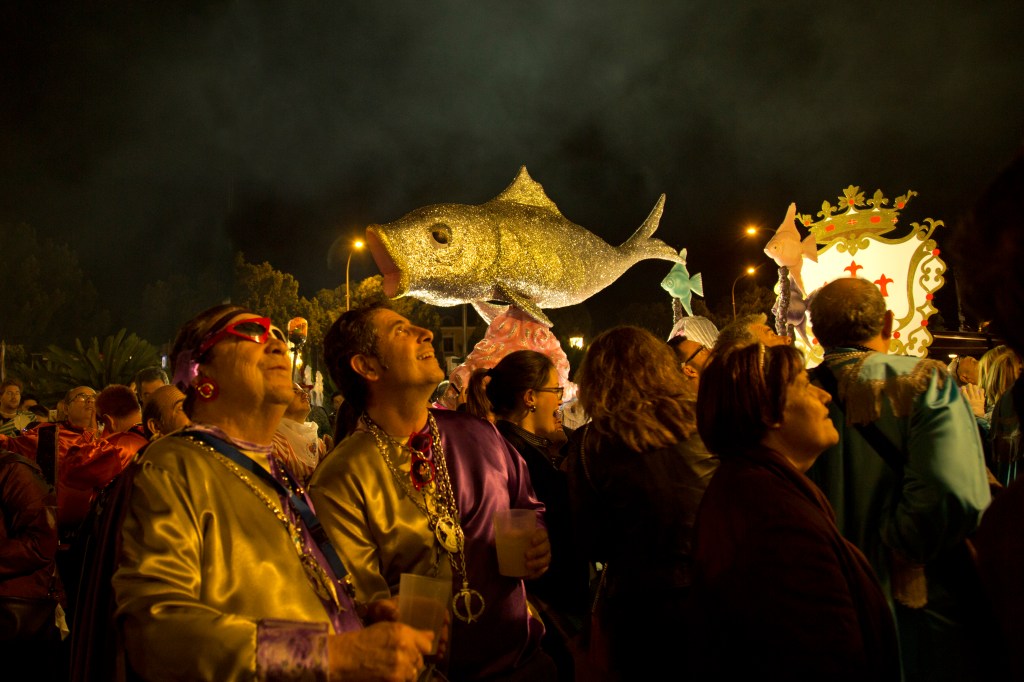
The King of Carnival, el Rei Carnestotles, is usually dressed in an outlandish fashion throughout Carnival and adopts an irreverent attitude at all times. He also dies on Ash Wednesday and is buried in a grave following a funeral procession, where he is accompanied by his widow and friends. The colorful costumes are exchanged for black mourning clothes. Traditionally, on this day fish is eaten. Of course.

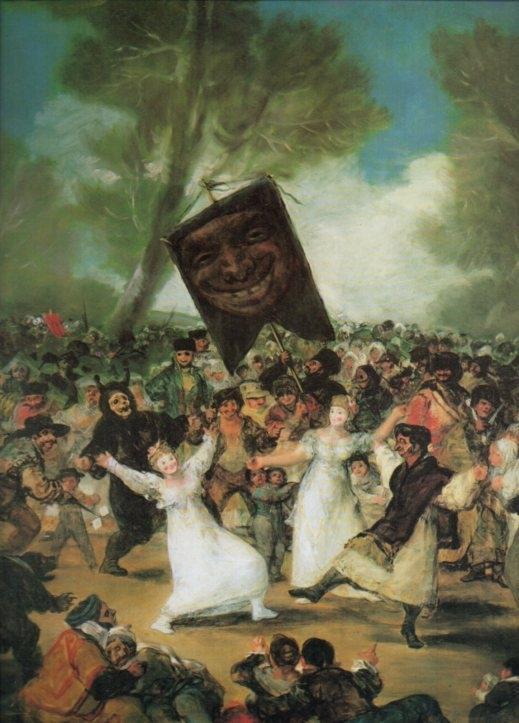
The tradition was memorialized in Goya’s 1814 painting, El Entierro de la Sardina.
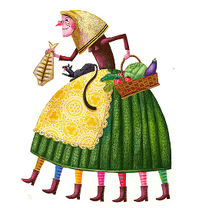
The primary symbol of Lent throughout Catalunya is an old woman with seven legs representing the seven weeks of Lent. La Vella Quaresma (“The Old Lent”) is a visual personification of the passage of the 40-day fasting period beginning on Ash Wednesday. The cod and basket of vegetables in the old lady’s hands are a reminder to stick to the diet of permitted foods. The tradition of the Vella Quaresma is to break off one of her legs at the end of each week until, on the final week, she is left without any legs. The tradition is directed at children who are happy to perform the leg-breaking task. To commemorate the end of Lent on Maundy Thursday, the Thursday before Easter Sunday — she is burned like the sardine.
There are various origin stories for these traditions, but they’re too weird to repeat.
I finally got my car inspected! And I got my official residency card! I’m sooo legal! Except I haven’t gotten a Spanish driver’s license…gotta keep it interesting, living on the edge…


This is so interesting, I had no idea!
LikeLike
Thanks, Em. It’s crazy here! Hope you’re doing ok!! come see me!
LikeLike