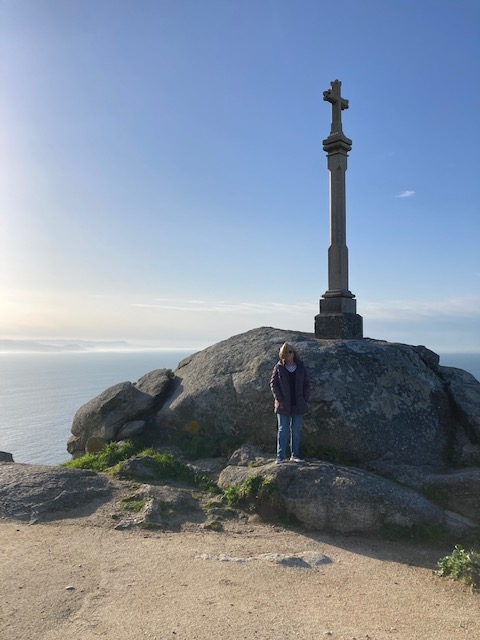
Fisterra, Spain
In the past, I haven’t written much about my travels, but I think Galicia, the province in Spain’s northwestern corner just above Portugal, deserves a special mention.
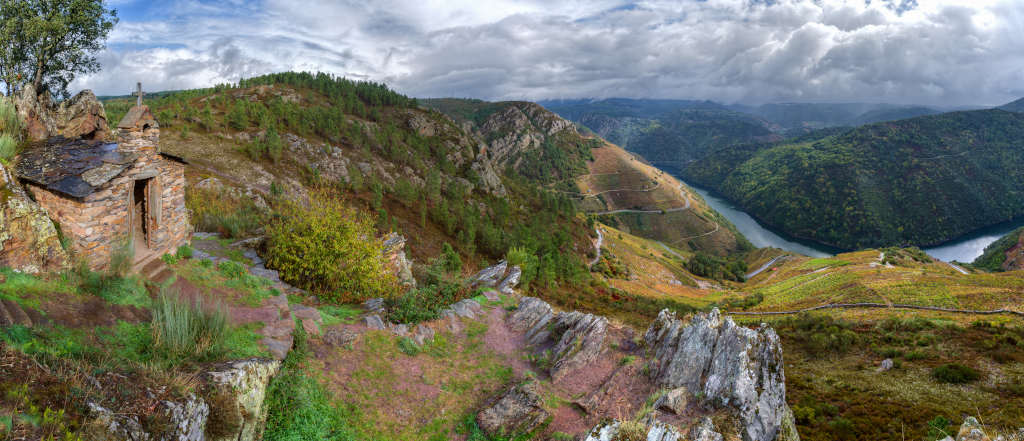
Galicia is known for its landscapes of extensive green forests and valleys, wild beaches, and old lighthouses. Its beautiful coastline, which covers over 1,000 miles, is known as the Costa da Morte, Coast of Death in the Galician or Gallego language. It earned this name because of the frequent shipwrecks in the area.
Not far from the Portuguese border, in Baiona, Columbus made his triumphant return from America. There is a replica of the Pinta in the harbor of Baiona. The ship, though life-sized, is really really small!!
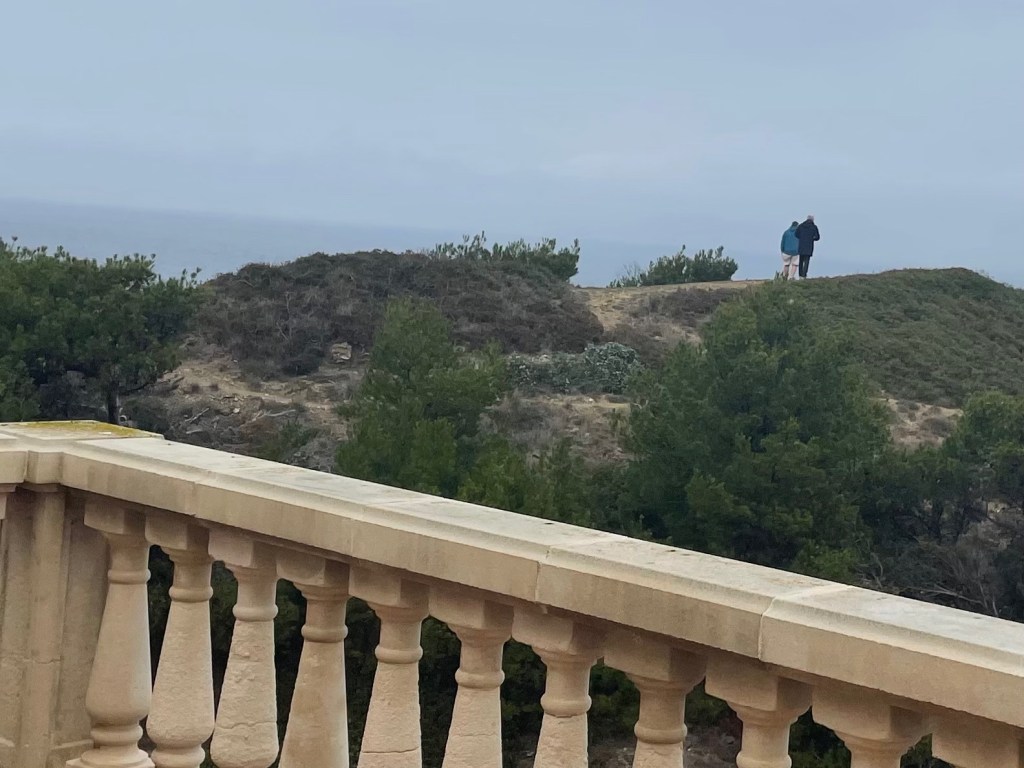
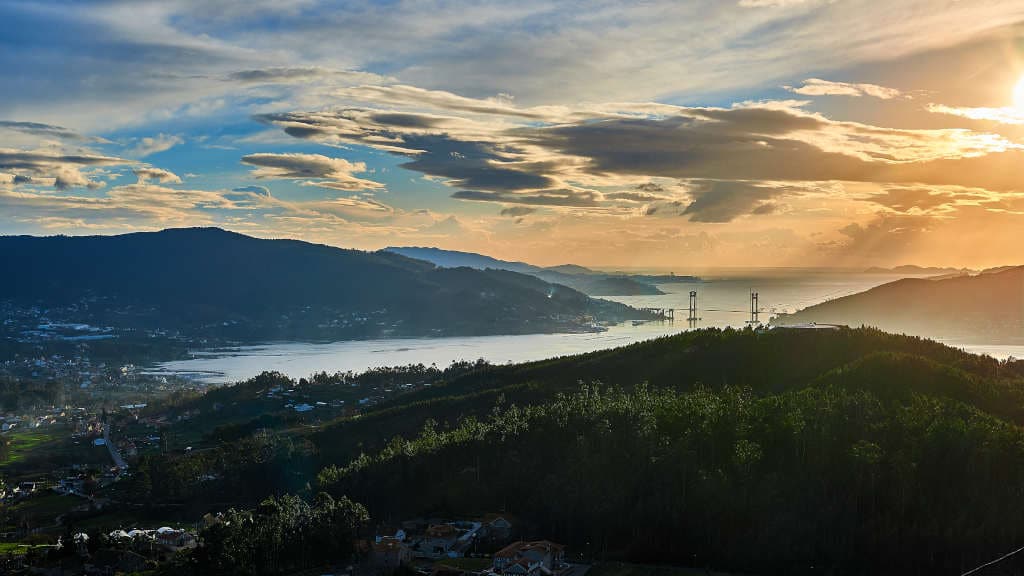
The area between Baiona and Fisterra is known as the Rias Baixas, or Low Rivers in Galician/Gallego. There is a confluance of rivers and estuaries with islands, in the shadow of mountains. It’s been compared to the fiords of Scandanavia. Fisterra (in Galician/Gallego) or Finisterre (in Spanish), before Christopher Columbus sailed the ocean blue, was thought to be the end of the earth. Nowadays, it is the end of the Camino — the Pilgrimage to Santiago de la Compostela. The Cathedral in Santiago is the official end, but most pilgrims go the distance to Fisterra. Maybe one day I’ll make the pilgrimmage myself (or part of it!), but until then, this was reward enough.
We saw such wonderful natural beauty!
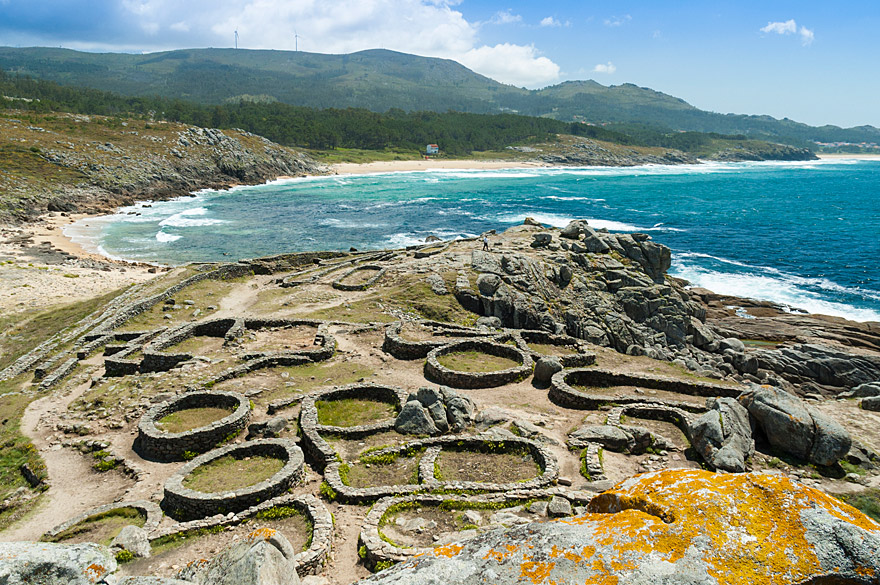
Prehistoric Ruinas Castro de Barona
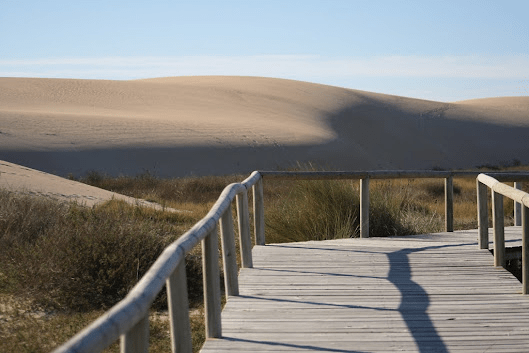
Dunas de Corrubedo
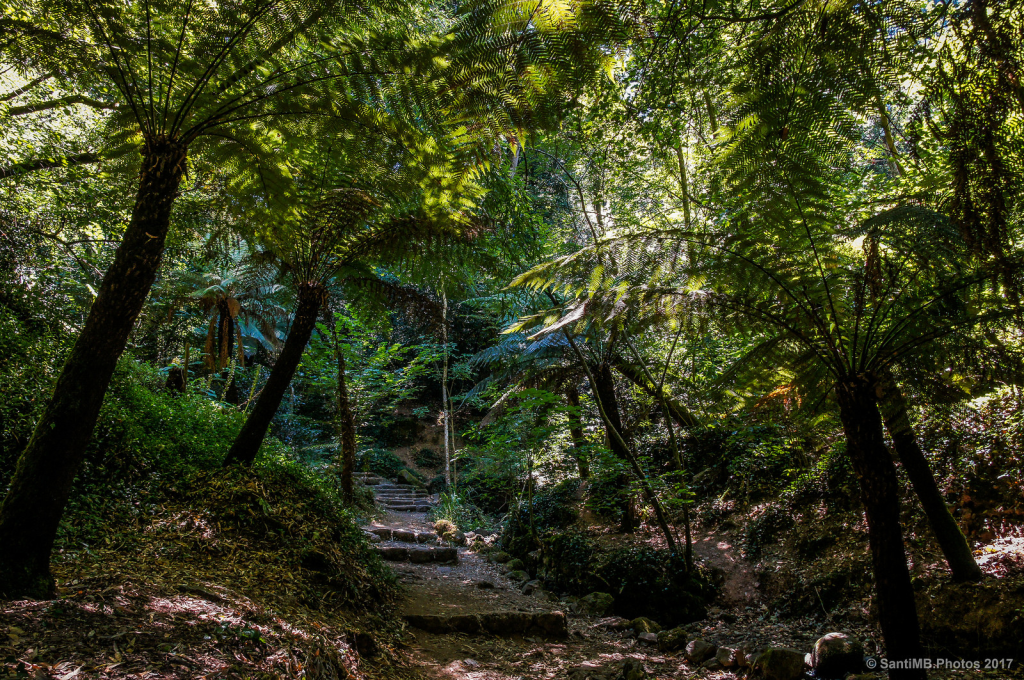
Buçaco National Forest
Rias Baixas
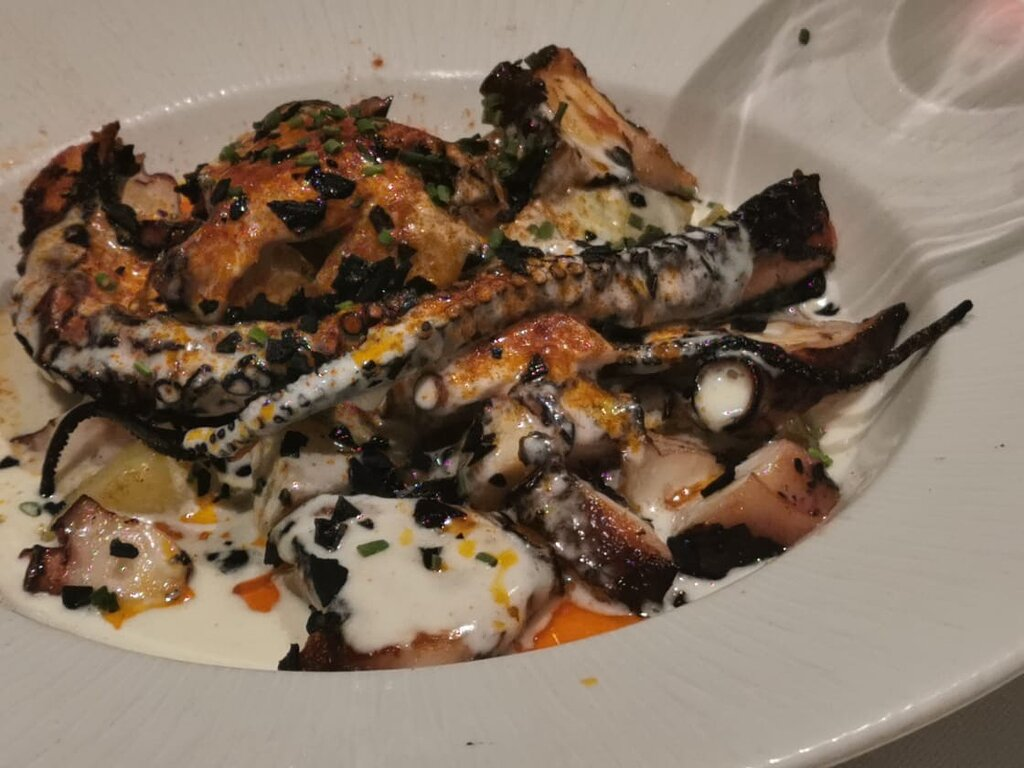
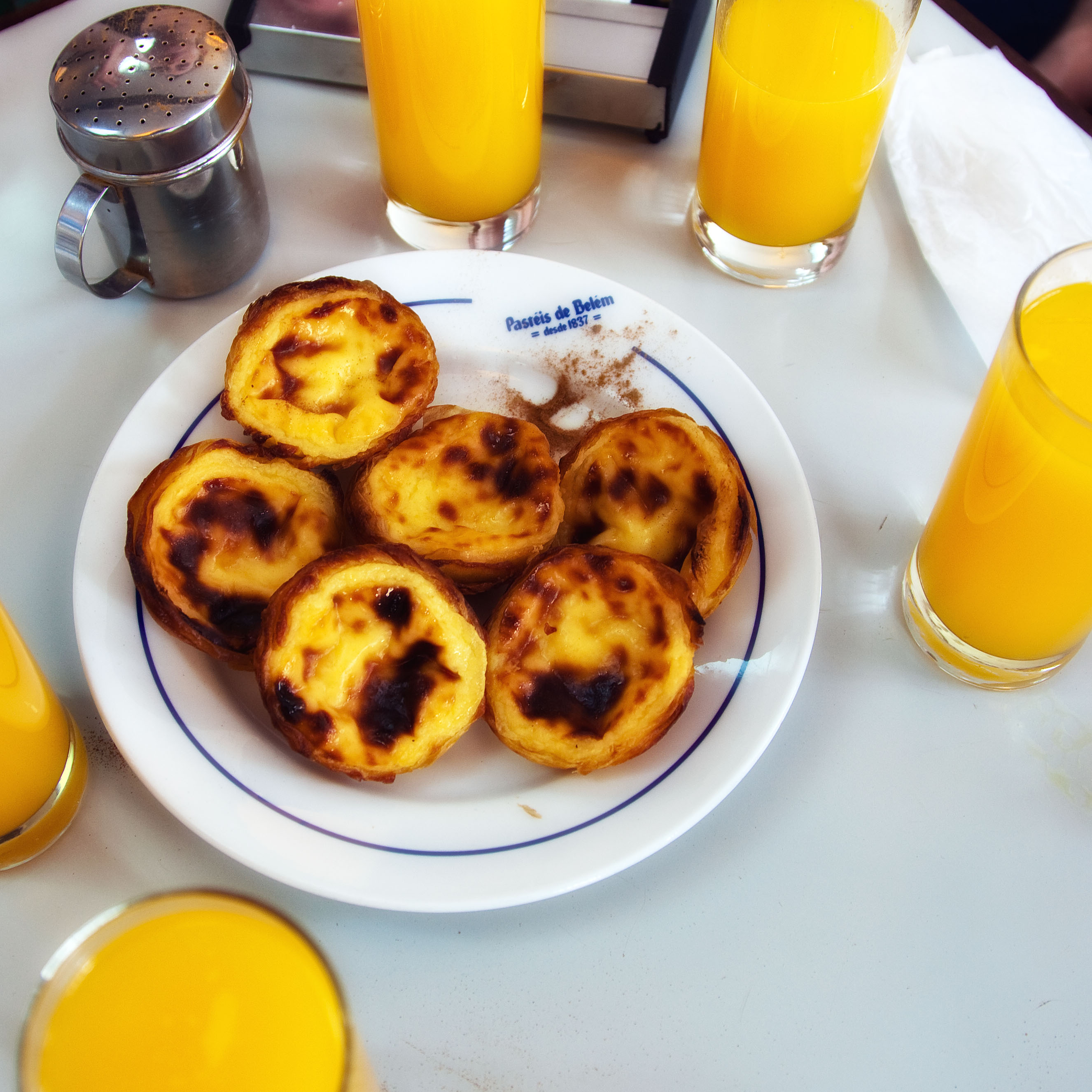
Below: the very best octopus EVER and on the right, Portuguese pastries that cannot be beat!