Driving…vroom vroom, Mexican food, and the new Spanish pet law

I love to drive to my house. It’s 8 kilometres (about 5 miles) from Begur around a twisting, turning two-lane road. The speed limit is 30 kmh (about 19 mph), but there’s no radar, luckily, and few cars, so I go fast. It’s so much fun! I do have to be careful going around the curves to stay in my lane and trust that others, including huge trucks carrying construction equipment, stay in theirs. There are only a couple of places where I could go over the cliff, so that’s good. But it does limit my alcohol consumption when I eat dinner in town! I think I’ve frightened a few of my passengers!

I’ve actually gotten a few speeding tickets. They have a lot of radar cameras. I got four the first year. After that, I slowed down and paid more attention to the signs telling me I was in a zone monitored by radar, but last year I got another two, and this year one in France. They tracked me down. Supposedly you can only get a certain number (you receive points against your license for each violation) before they suspend your license, but since I haven’t gotten a Spanish license, I think I’m home free for the moment. You are required to get a Spanish license after being here for 6 months. It’s not that easy. You have to take a driving course, which I’ve heard costs at least $1,000, and then pass the test. So far I’ve ignored the rule and I’m just waiting to get caught, claim ignorance, and hope the fine isn’t too high. Then I guess I’ll take the damn course. I have a friend who has been here 9 years without getting caught. That’s what I’m banking on.

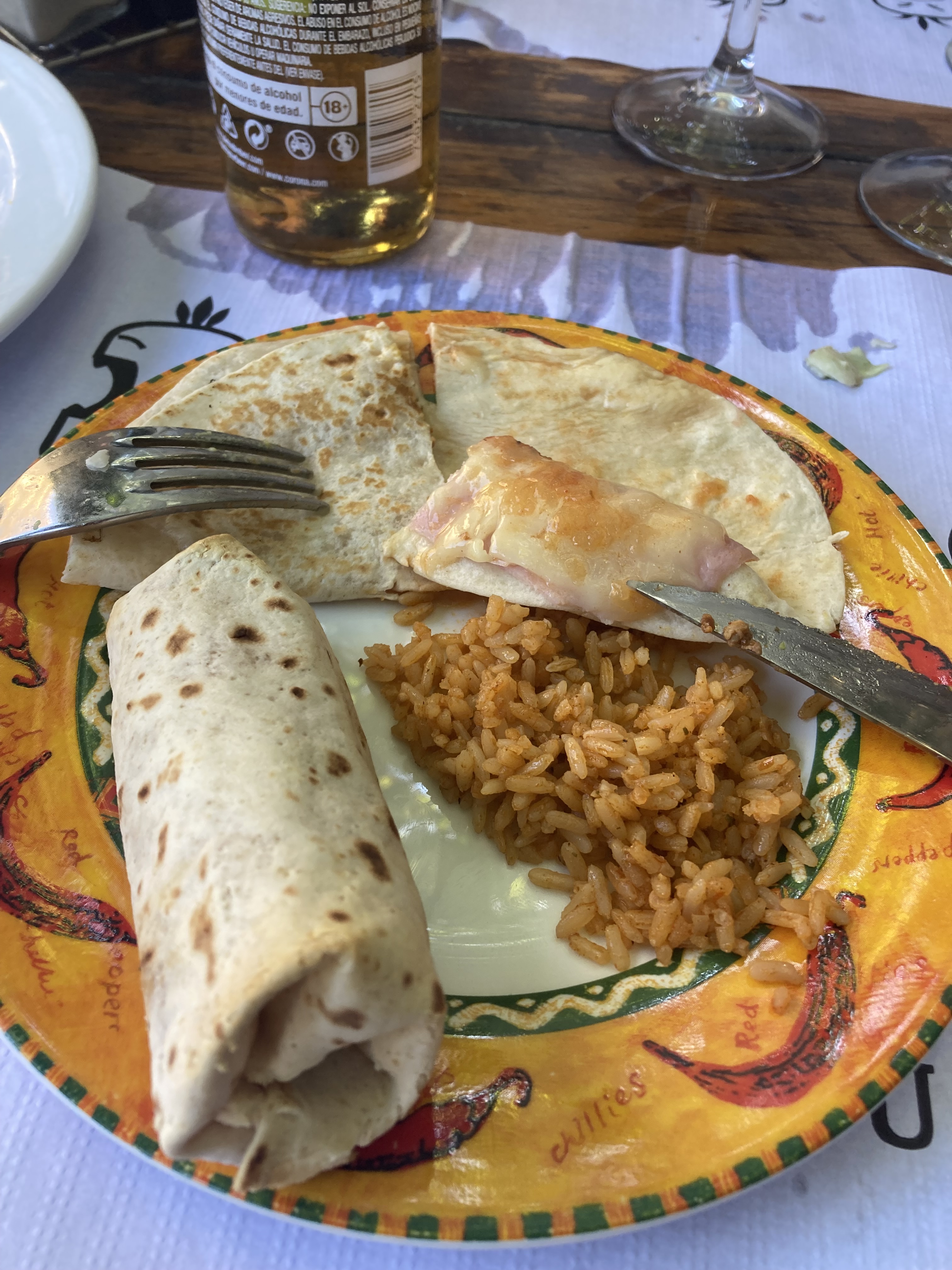
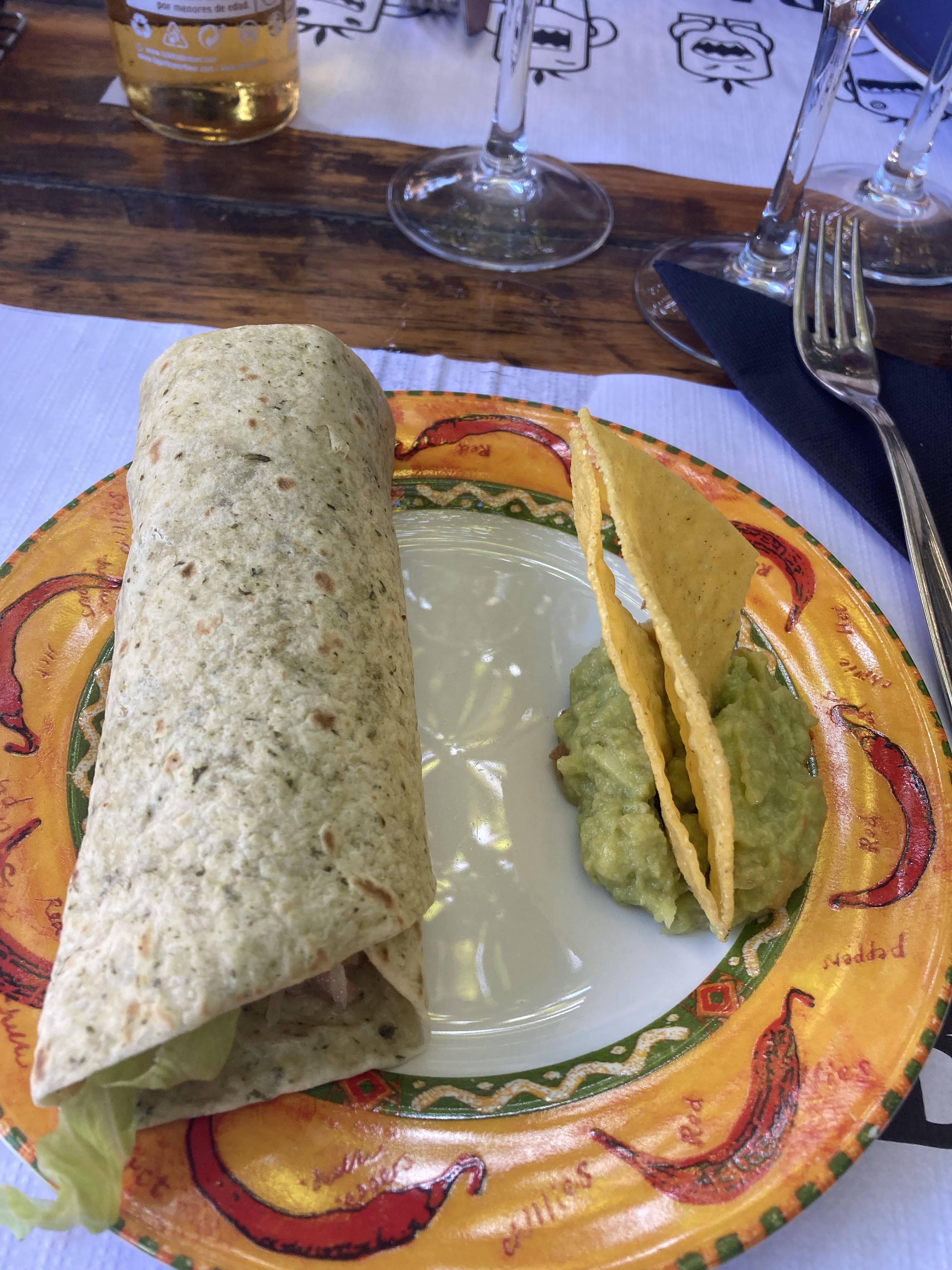
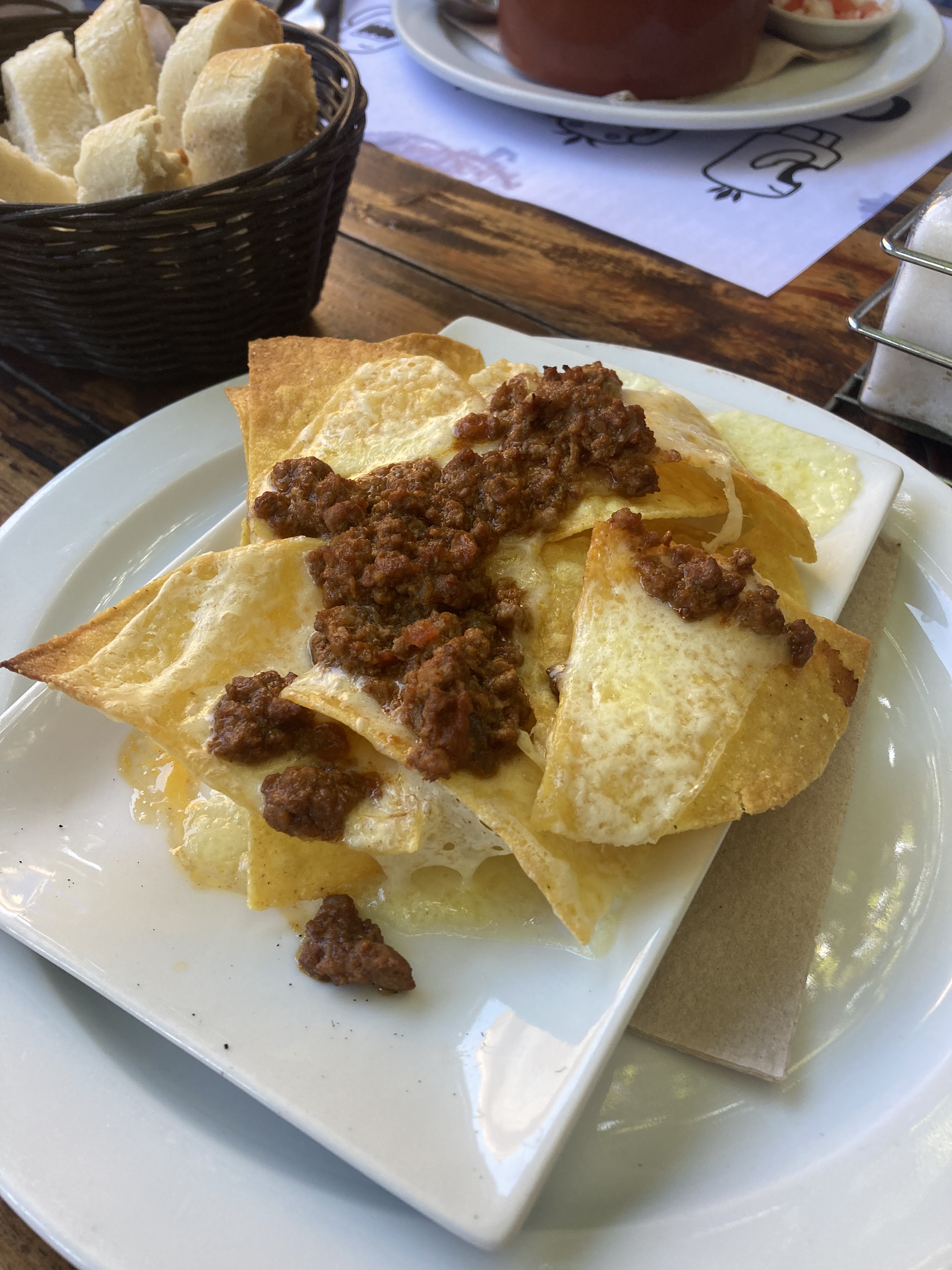
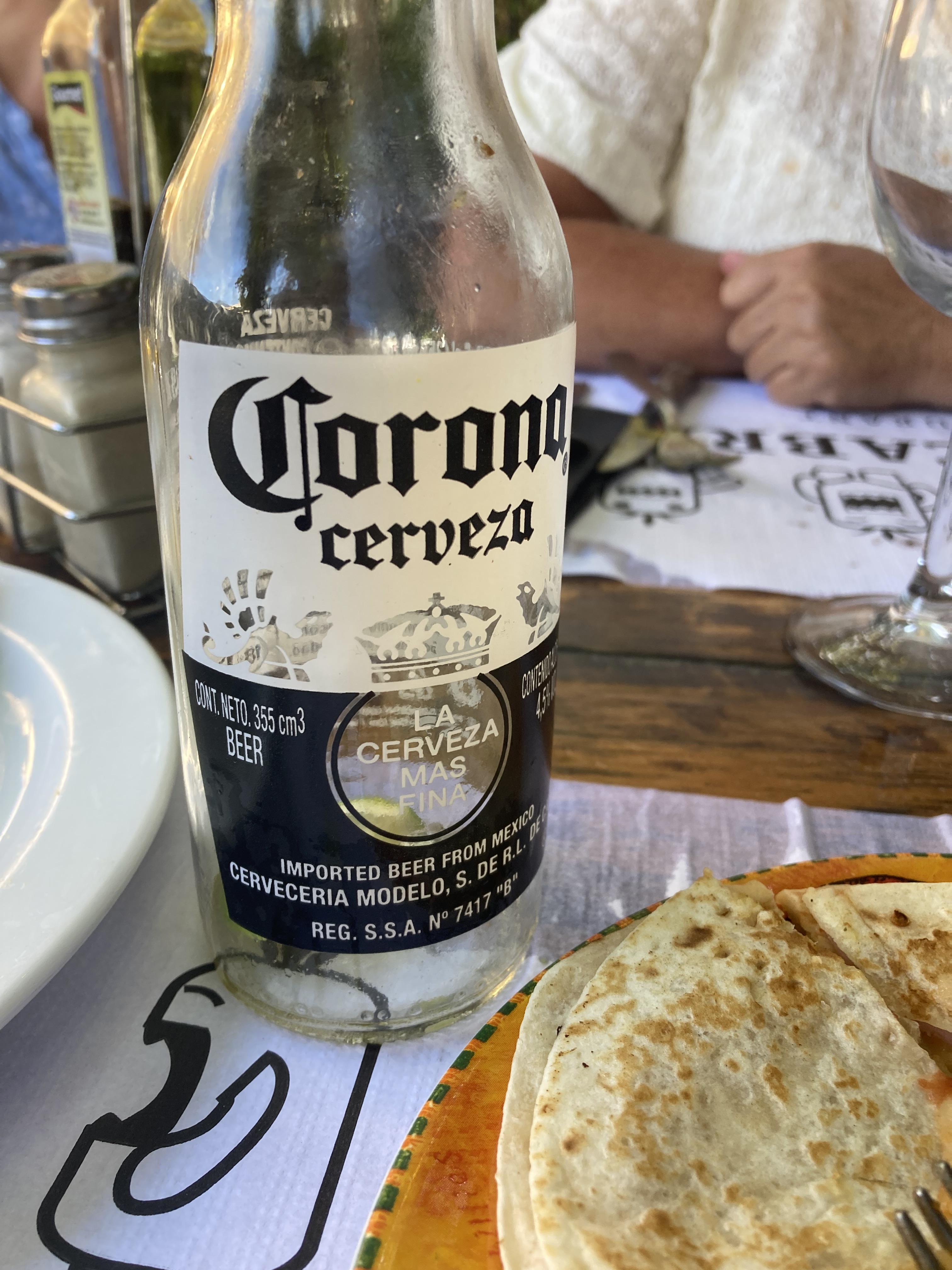
I went to a Mexican restaurant in a nearby beach town recently. I usually order small portions, but I ordered the tasting menu because I wanted to try all of it to see what they considered Mexican food. The nachos were tortilla chips with a very thin layer of melted cheese barely covering the chip and some sausage-y meat on top. There was a “wrap” which was really not Mexican in the least. It was filled with chicken and was more like a Chick-Fil-A wrap. The fajitas were extremely peculiar. There were cold flour (?) tortillas served with some sort of cubed meat mixed with the same whitish cheese that was on the nachos. There was a dab of guacamole on the plate, but no salsa or pico de gallo anywhere. My favorite distorted entry was the quesadilla which had ham inside. It was lunchmeat type ham. Very weird. But the Corona was fine!
Strange segue…Spain has strict laws regarding pet ownership that affect all animals – domestic or wild – under human care, to ensure their welfare. The recently enacted Animal Welfare law was passed “to fight against the mistreatment, abandonment, and slaughter of animals.” All pets must be registered and microchipped to ensure they receive proper care and prevent abandonment. Some of the other requirements are listed below, but they will not come into force until a new government has been formed. Spain’s government is just as dysfunctional as ours!!

  • Pets will be considered legal family members. This law can help protect them if families split up. Officials will keep the animals’ well-being in mind during divorces and custody battles;
  • It will be compulsory to sterilize all animals that are living outside a dwelling, including pets in the garden, in outdoor runs, or in rural homes located in countryside areas;
  • To own a dog in Spain you will have to complete a free “responsible pet ownership course” online; 
  • Pet owners are required to have compulsory liability insurance. Only people with hunting, guard and working dogs will be exempt. I got mine for 41€ each for one year;
  • The law prohibits the use of electronic or punitive dog collars;
  • Pet shops will no longer sell dogs and cats, promoting adoption and responsible breeding. Pets will only be sold from registered breeders. Pet shops have six months to find homes for the animals they currently have;
  • Wild animals like lions or tigers have been banned from circuses with the owners of these animals given six months to comply. Marine parks may still use dolphins until these mammals die;
  • The law also says a pet may not be left unattended for more than three consecutive days, even if they have food and water, a period that is reduced to 24 hours in the case of dogs; 
  • Leaving dogs or cats on terraces or patios, although not prohibited, is now time-limited; 
  • Pet owners will not be able to leave their animals alone inside closed vehicles or exposed to any thermal conditions that could put their lives in danger; 
  • Animals cannot be allowed to be left alone or tied up in public spaces, which means no leaving your dog outside the supermarket, which is often done here;
  • Also, there is now a maximum amount of pets one can have: five;
  • Oddly, Bullfights, regarded by some Spaniards as an integral part of the country’s culture, have not been included in the law. Catalunya, however, banned it in 2010. And the law, again outside of bullfighting, outlaws the use of animals for recreational activities that cause them pain and suffering; 
  • Offenses are punishable with fines of 500€ to 200,000€ and potentially imprisonment.
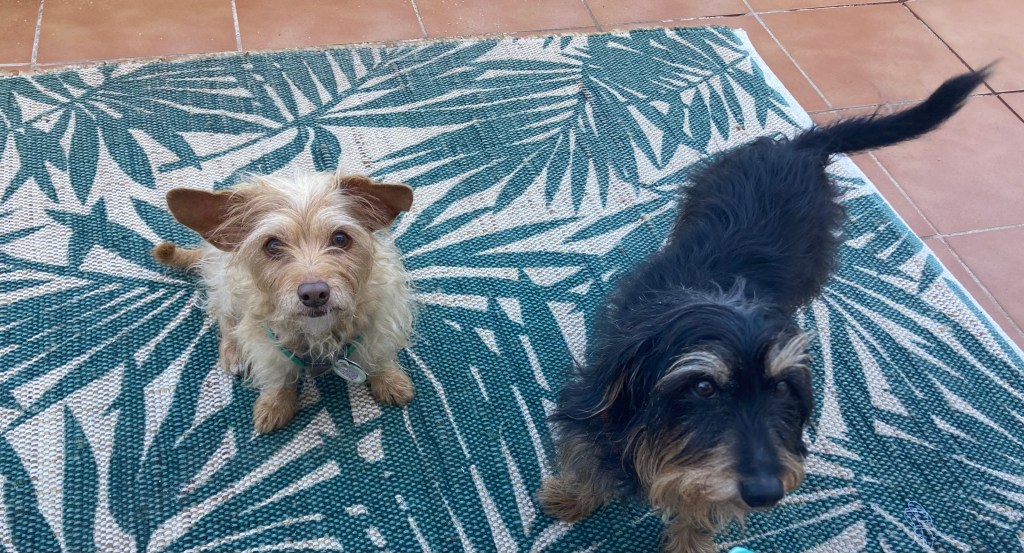
Mine have NO worries! They’re insured.
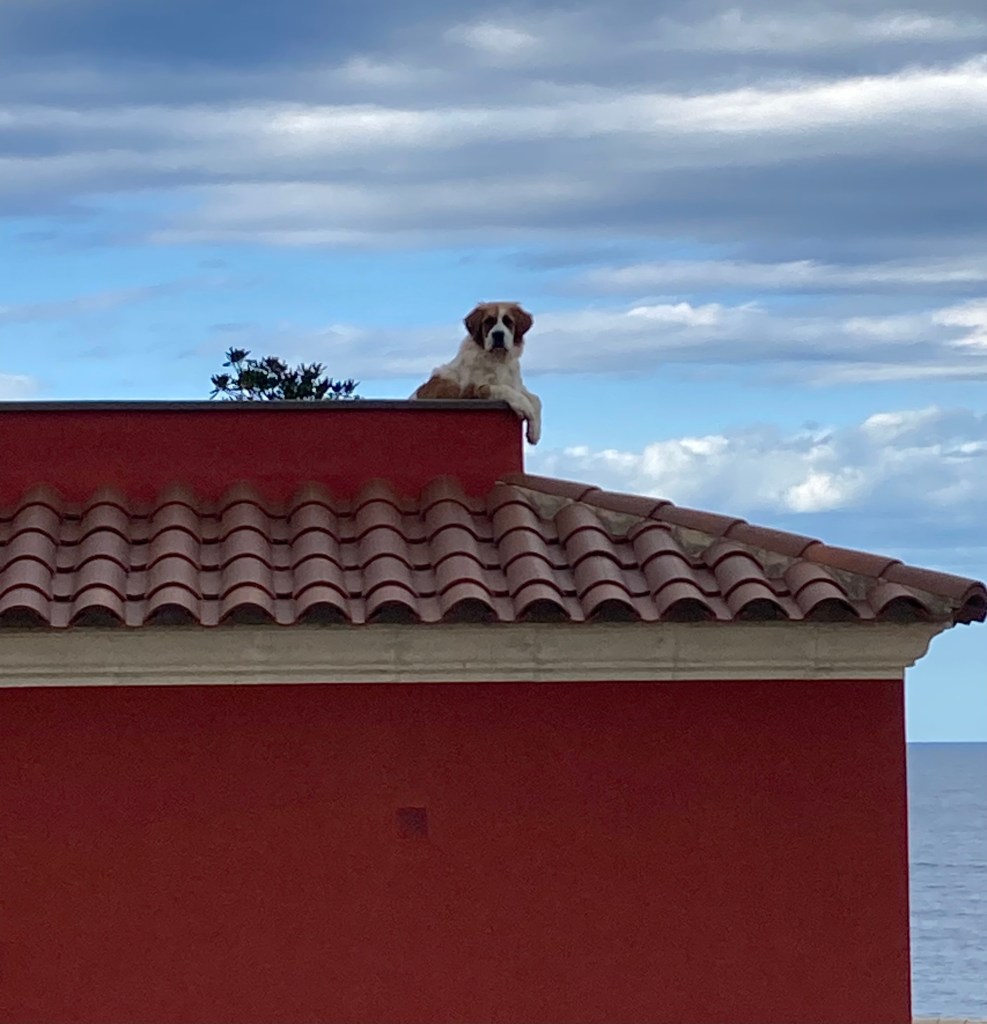
Back in the high life again…

Technically, I am higher, in the sense that I’m above sea level.

I thoroughly enjoyed my hectic time in Texas, as well as Florida, Colorado and Mississippi, but now I’m back on this side of the pond.

I gotta say the weather is better here…at least until the cold and wind arrive!

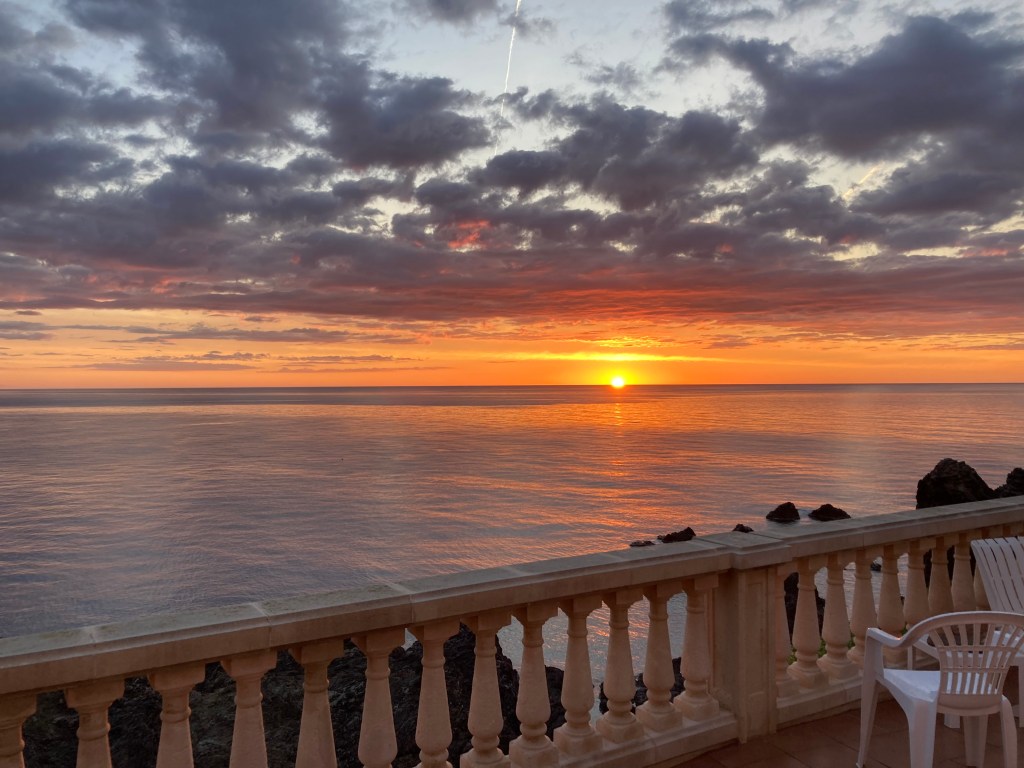
I’m glad to be here again. I feel more tranquil. It’s probably because of the sea…looking out from my balcony at the blue water extending to the horizon and hearing the sound of the waves and the wind. Whatever the reason, the effects are good for my state of mind.

Every summer when I vacate my apartment here, I have to store my belongings for the time that I am away. And I have A LOT of belongings! Libras (like me), it is said, are known for craving order, balance, and beauty. Their home needs to be organized, attractive, and cozy. So, I’ve made the apartment that I rent my own. I put away the host’s sheets and towels and pillows and knick knacks, and replace them with my own. I’ve had to hold myself back from buying dishes and furniture, and so far I’ve been successful in that. I’ve even taken down some of the wall art and bought other pieces. Next to my bed, the hosts had hanging a drawing of a naked woman seen from behind. Her perfect hourglass figure only taunted me, reminding me of my increasingly imperfect figure. So I took it down and replaced it with a pastel of the Begur castle painted in soothing colors.

I’ve written before of my internal struggle with missing family and friends and wondering whether living here is the right thing for me to do. But then I’ll have a moment like I had yesterday. I went to the annual festival (Festa Major) of a small town near me. I was invited by a British friend who lives there and is on the town’s committee that organises the event. I didn’t really want to go because I’ve only been here about 5 days and I had things to do, but I went and it was so worth it. It’s a town of 900+ people and there was a crowd over a few hundred in the square. We drank Vermouth and nibbled on potato chips and olives while a duo of a guitarist and drummer played popular songs in English, Spanish, and Catalan. I’d never heard Maggie Mae sung in Spanish!! People of all ages danced and sang along. This is why I’m here.

I feel like I have made some progress in my continuing goal to improve my Catalan language ability, but fluidity of speech is still out of reach. But French on the other hand, which I am also continuing to study, I feel like I will NEVER come close to mastering. How do all those French people do it? I’m going to keep trying though!!

LOVE BEGUR! Love the Costa Brava! Love Catalunya! Happy to be here!!!

I just found this quote…I don’t know where it’s from, but I like it: seeking out places that light up your soul is nothing to be ashamed of.

From the apartment complex just above mine…

Fins aviat

…basically means see you soon in Catalán! I’m on my way to the USA. I’m anxious to spend time with my friends and the grandson I haven’t seen since he was born last November! Knowing I’m all set to return to Begur in mid-September feels good. I have my ticket, my dog mule, a plan…

Having a place to stay each year for however long I decide, absent any time during the summer or Christmas, is very reassuring. The apartment is not mine, but I have no responsibility for upkeep, and I have the most fabulous view! Those of us who live on my street constantly say how lucky we are and how we are in the best location on earth.

It was an interesting drive to France this year. When planning the trip with a stop in Pamplona on July 1, it didn’t occur to me that the festivities for the running of the bulls would begin a week early! The festivities around San Fermín officially begin on July 7, but the streets were already packed with revellers. And not just tourists. The locals seemed to be enjoying every minute.

And why would I ever think that the Tour de France might interfere with my trip across the Basque coast of Spain? The race started on July 1 in Bilbao, Spain. We arrived in Bilbao on July 2 and then drove to San Sebastián, Spain where there seemed to be no parking in the whole city as the cyclists flew through on the race’s second day! It was only a minor delay.

Last week I wrote about being Zsa Zsa, but once upon a time someone called me Susie Catalana. I like that name. It’s me too. And not to brag, but I got a 92 on my Catalán final exam!

I probably won’t write again until September, so keep cool and enjoy life!!

Bye!

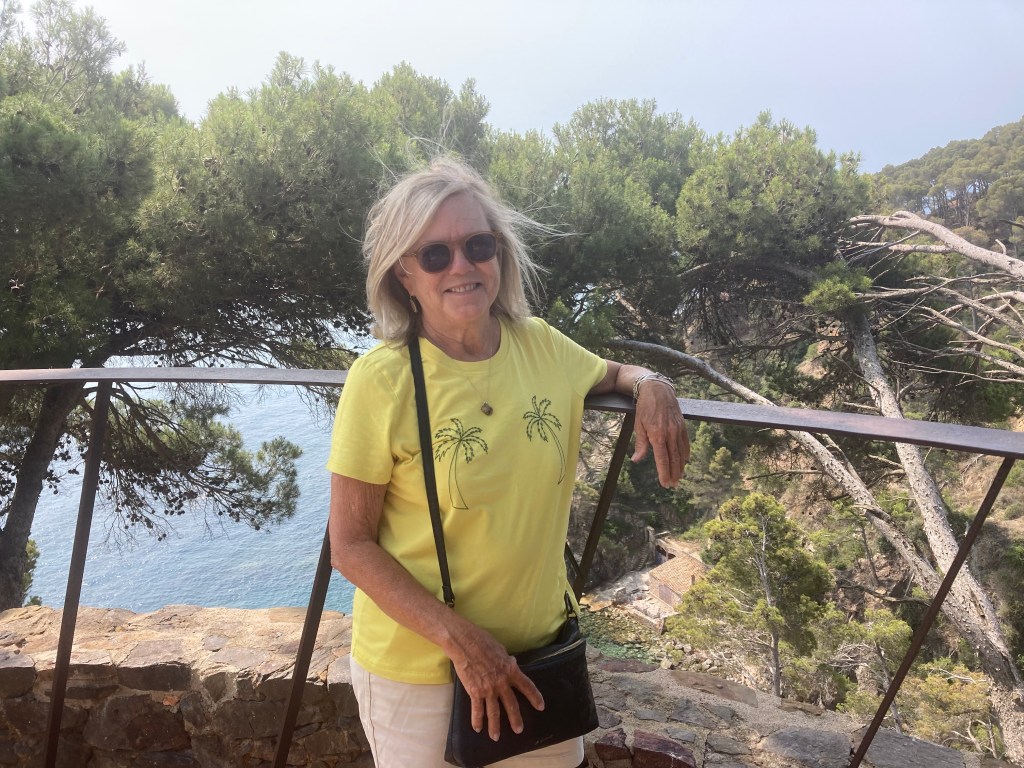
Being Zsa Zsa

I chose the grandma name of Zsa Zsa because Ms. Gabor and I are so alike, of course. She was known for her extravagant Hollywood lifestyle, her glamorous personality, and her many marriages. Ha! Actually, we just share a first name. Zsa Zsa is the Hungarian form of Susan.

I’ve spent the past two weeks with my 20 month-old grandson. So far, he calls me Ya Ya instead of Zsa Zsa, but I’m working on refining that. Later this summer, I’m spending a week with my other grandson who will be eight months. I’ll try to educate him early in the proper pronunciation of my chosen name.

I’m not your typical grandma. Obviously. I’ve forsaken my family in the name of adventure and the fulfilment of my personal dreams – a choice I continually question, and yet confirm. But there is some guilt as well.

YOLO! Never look back!

I can only hope my esprit de corps is passed on and they live their dreams as best they can, and don’t waste time in doing so! I love them both dearly. I hope I will have time to know them and them to know me.

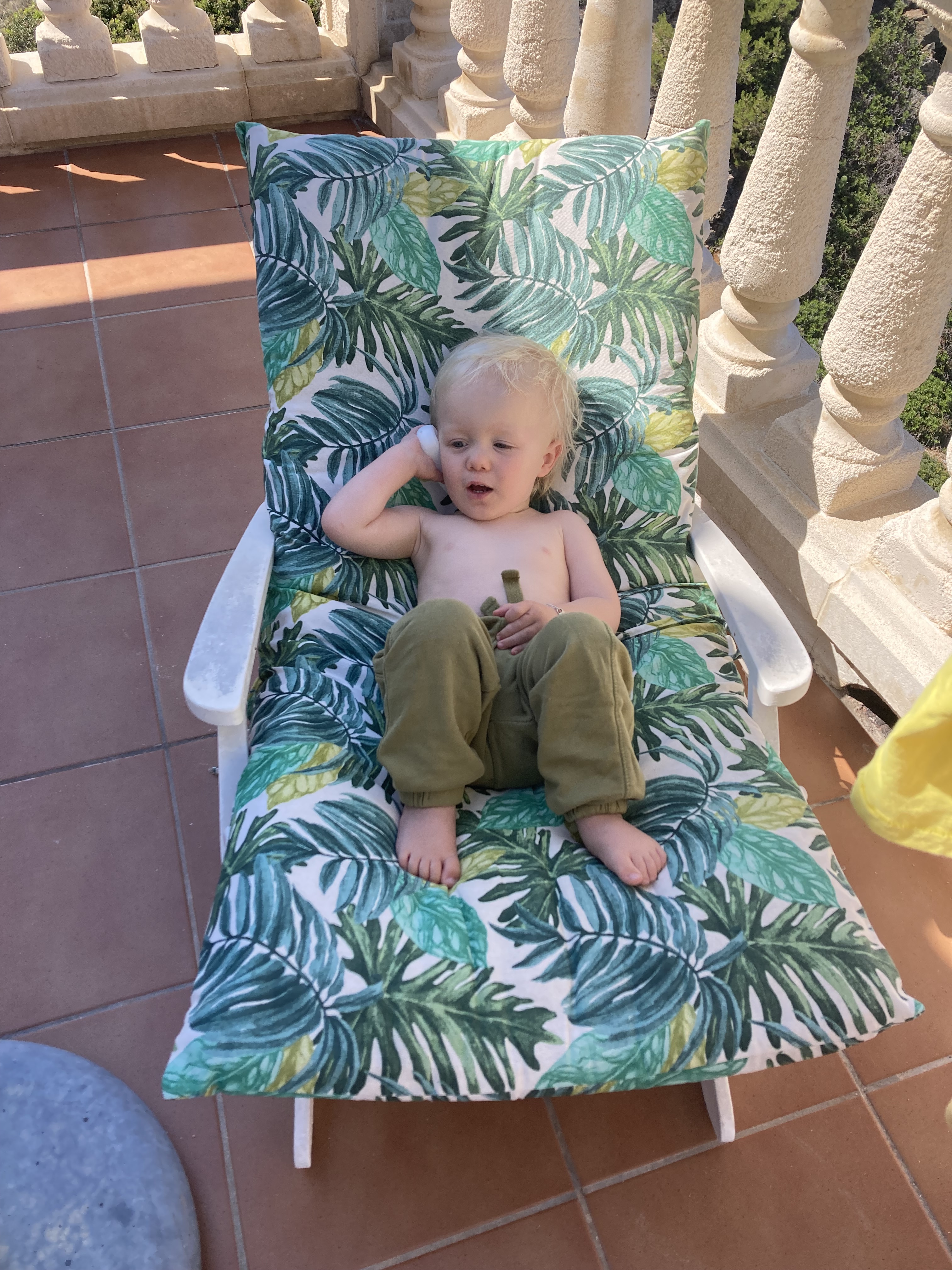
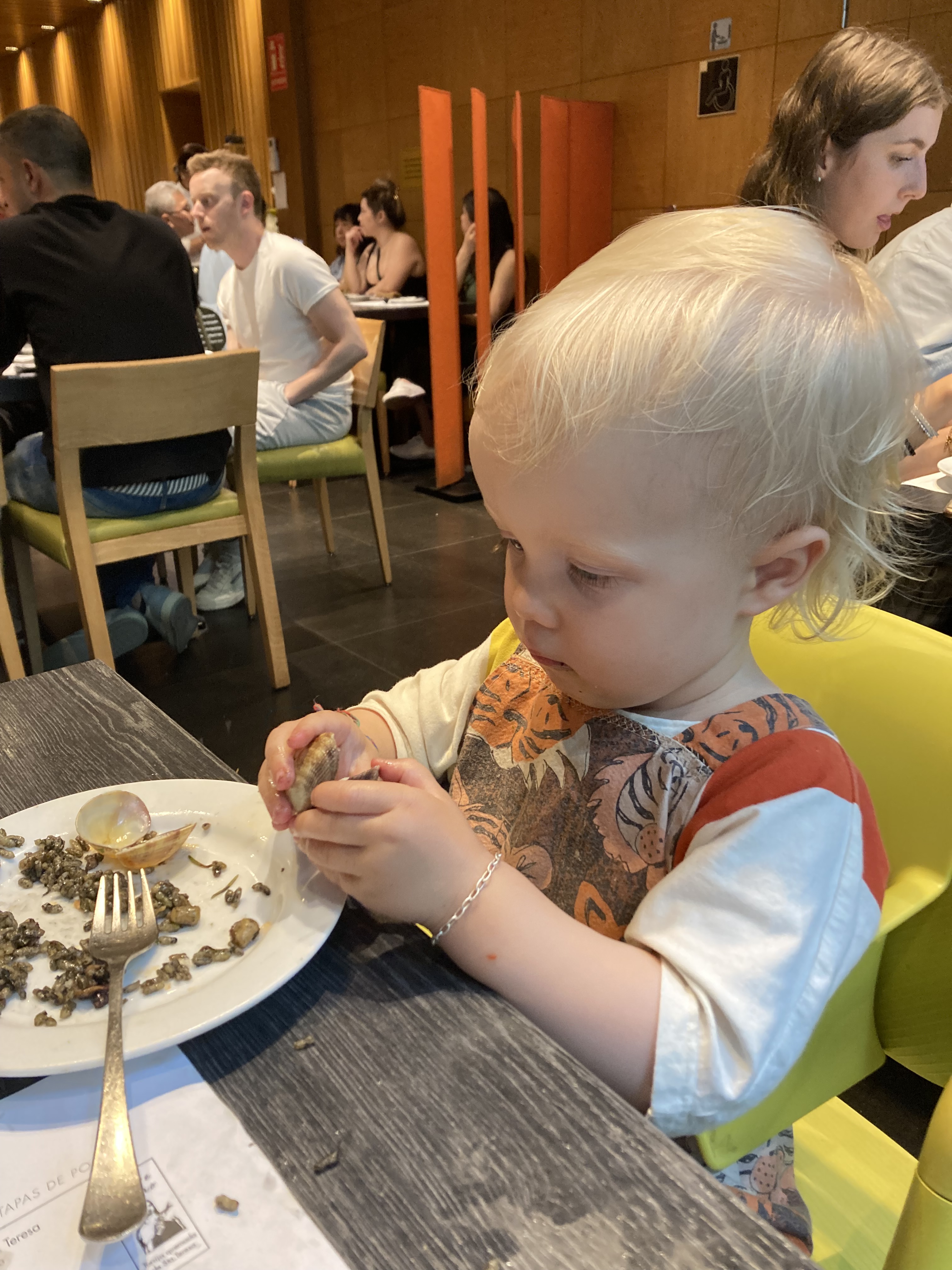
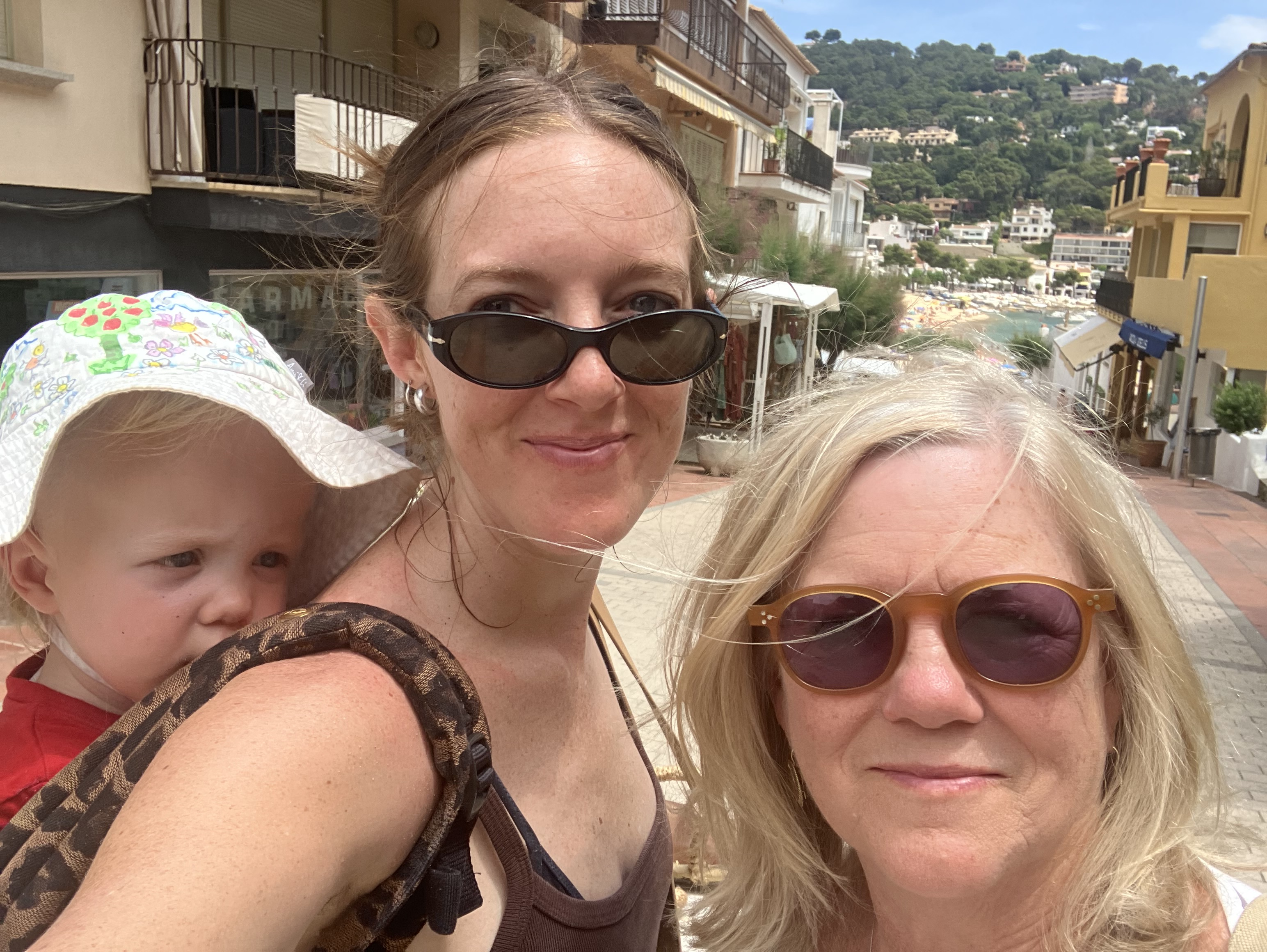
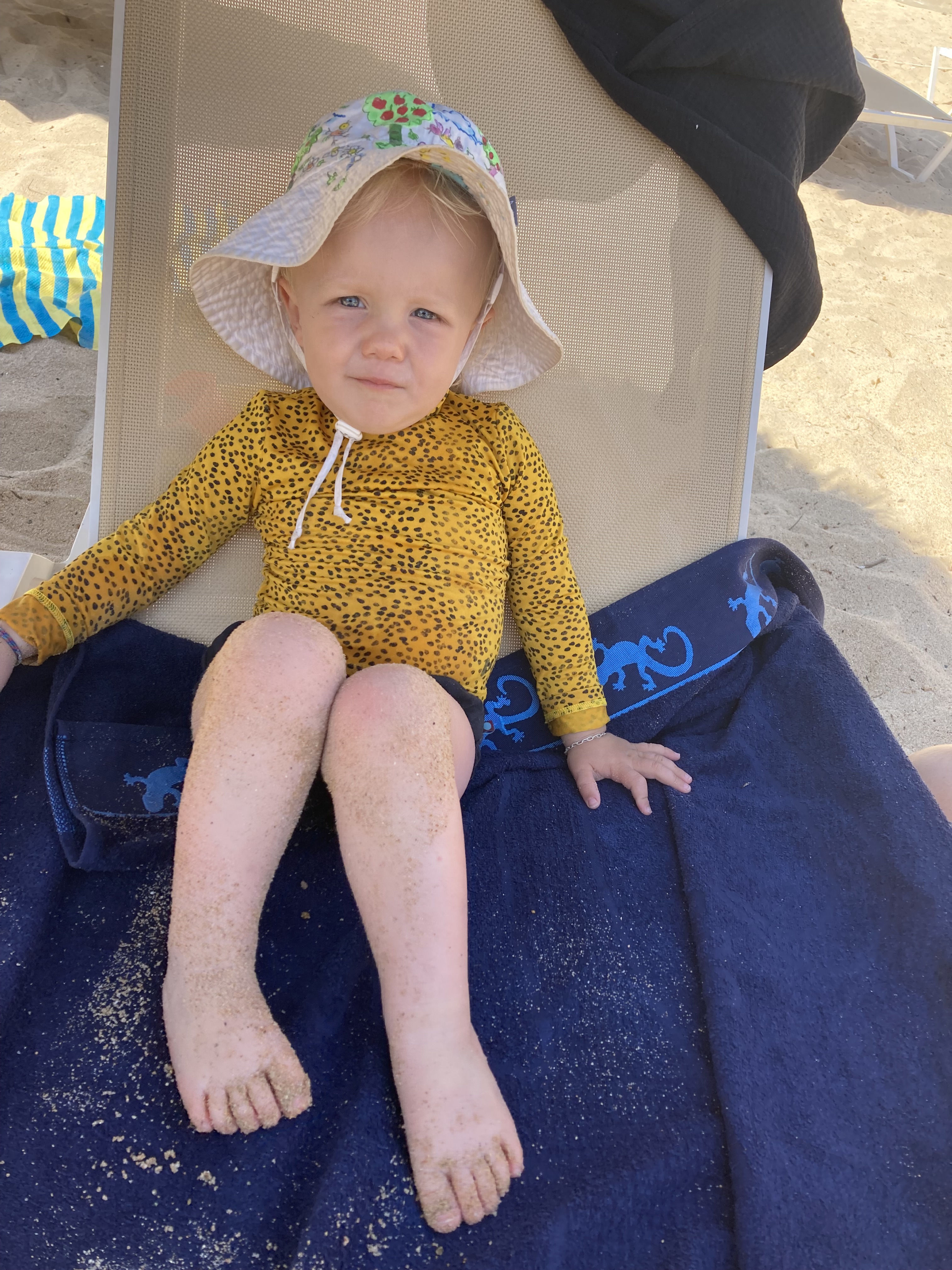
Talking on the “phone,” eating clams!, riding on Mama’s back, being adorable!

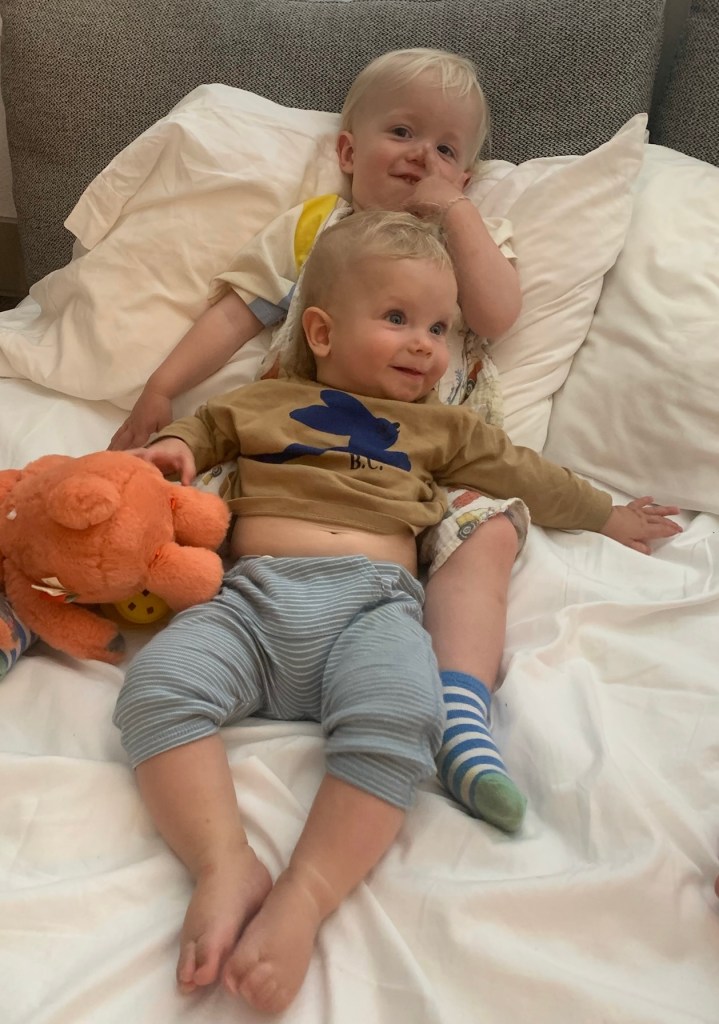
The cutest cousins (below)! I get to spend quality time with the baby this summer!!

To those who are Wordle players and fans, I hate to brag, and I think I’m generally an average player, usually guessing the word in four tries, though three is always my goal. The bragging part is that on days when I have time, I do Wordle in four languages: English, Spanish, Catalan, and French. If you understand the rules of the language, it’s really not that hard, even if you don’t have a large vocabulary. But, recently, and this was a fluke, I guessed the Catalan word in TWO guesses!!

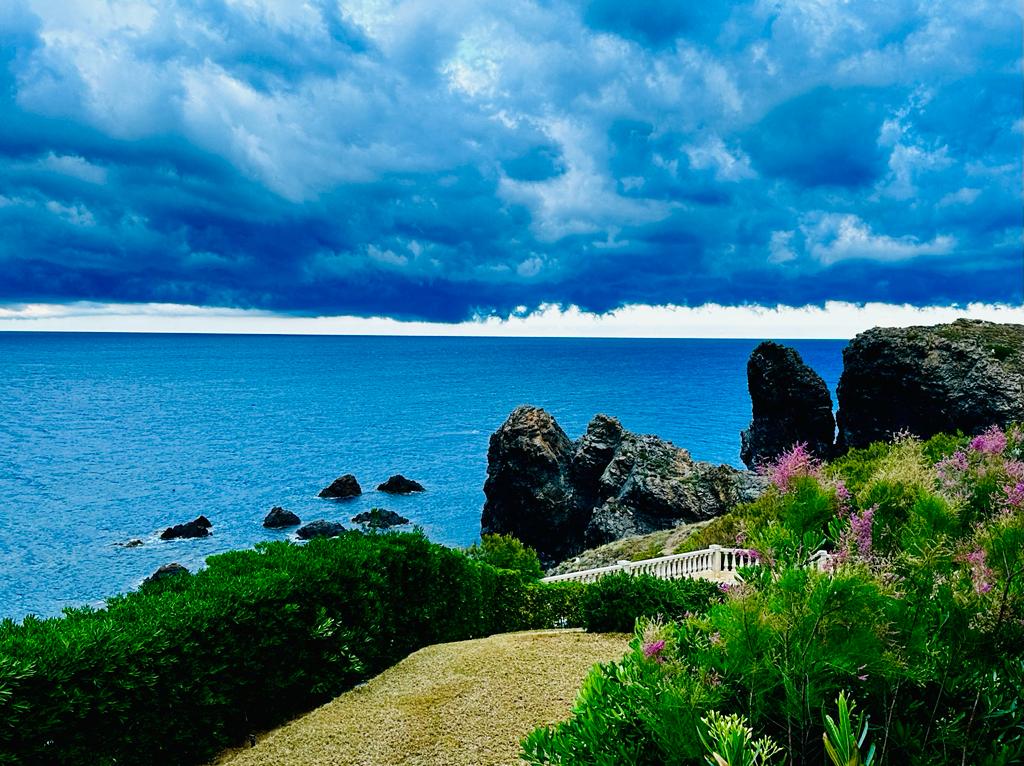
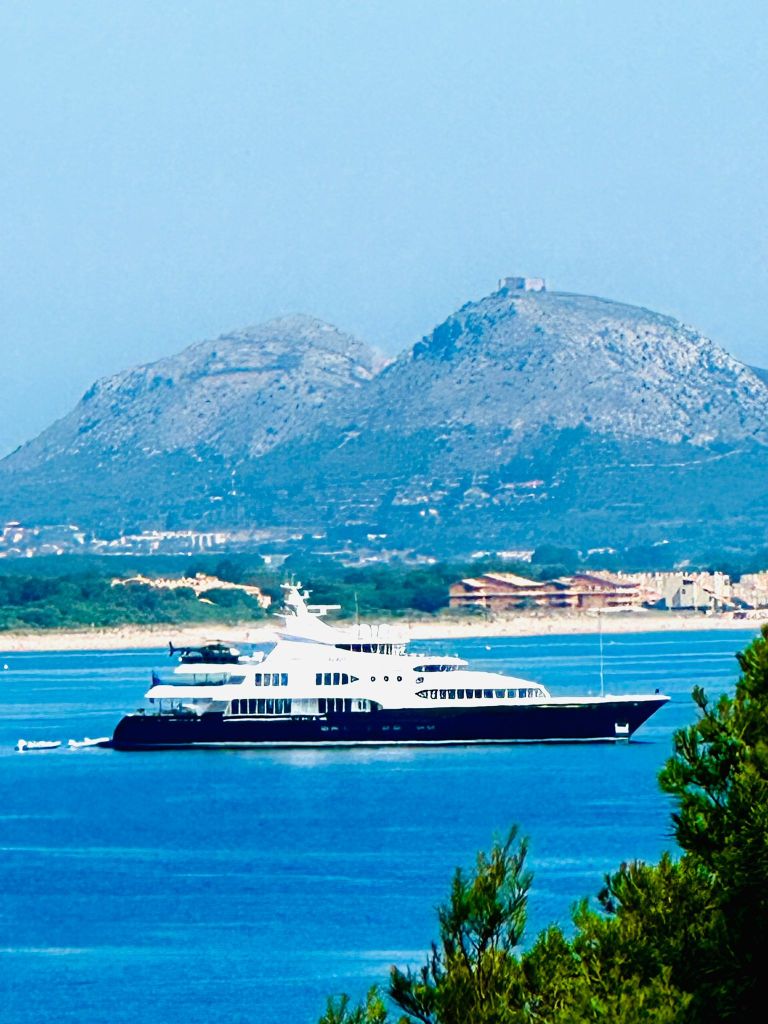
My neighbor took the photos below of an incoming storm that never materialized, but it made a stunning photo! And yesterday of an impressive yacht parked just off our shore. A friend shared a site called Marine Tracker and I was able to find the yacht which is now on its way to St. Tropez…without me!

Chin Chin! Cava, the Spanish Champagne

Champagne, Prosecco and Cava are often lumped together, but there are differences, including how they’re produced, the grapes they use, and how they taste. Cava is Spain’s contribution to sparkling wine, and most of it comes from right here in Catalunya! It’s usually made with lesser-known grape varietals though it can also be made from Chardonnay or Pinot grapes. Most Cava is sold at at a price similar to Prosecco, but it’s more similar to Champagne in character and production. Champagne requires the longest time to age, about 15 months; Prosecco doesn’t need as much time since it uses very little sugar; and Cava needs about nine months of aging.

The only real “champagne” is made in the Champagne region of France and must be made from Pinot Noir, Pinot Meunier, or Chardonnay grapes, or a blend of all three. Prosecco is made in the Veneto region of Italy (the same region that produced my favorite cocktail, the Aperol Sprintz!), from a varietal of grape called Glera. The production method for Prosecco is notably different from Champagne or Cava in that the second fermentation happens in steel tanks rather than in bottles. Prosecco tends to be a little sweeter than Champagne or Cava, and so it’s considered the best choice to use in sparkling cocktails.

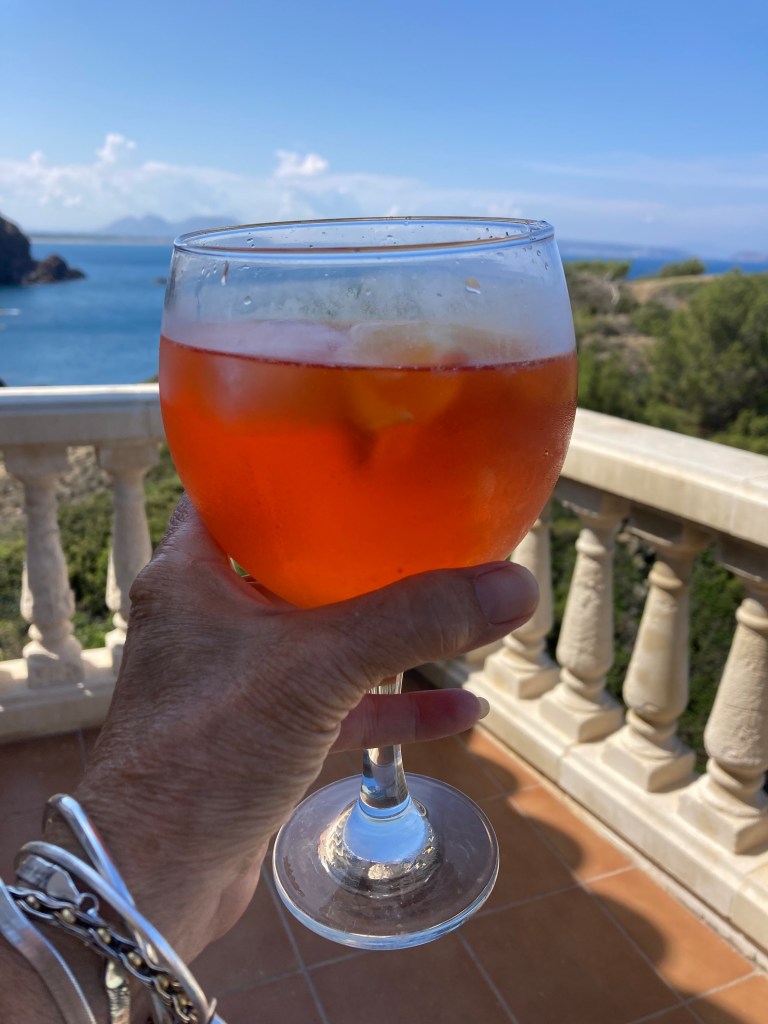
The Aperol Spritz has become popular due to its refreshing qualities, bright color, and lower alcohol content. It has a bitter flavor from a combination of aromatic ingredients and at the same time it’s sweeter with less alcohol content than other cocktails. I like an Aperol Spritz in a very large wine glass with lots of ice on a hot day! Or any day!

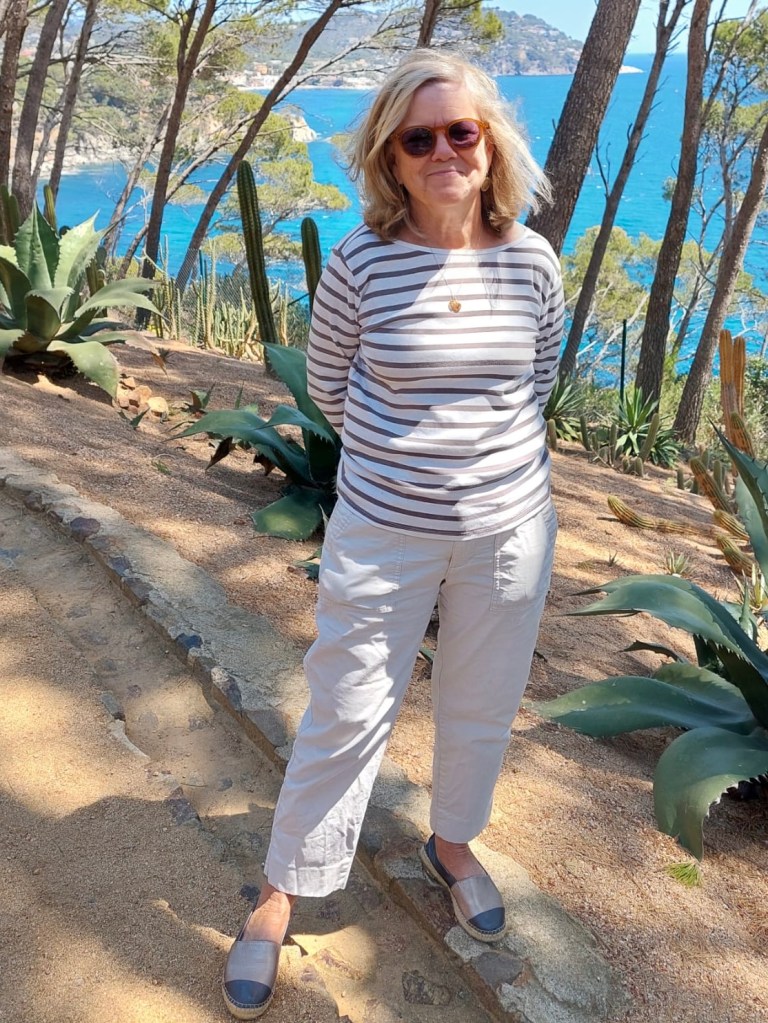
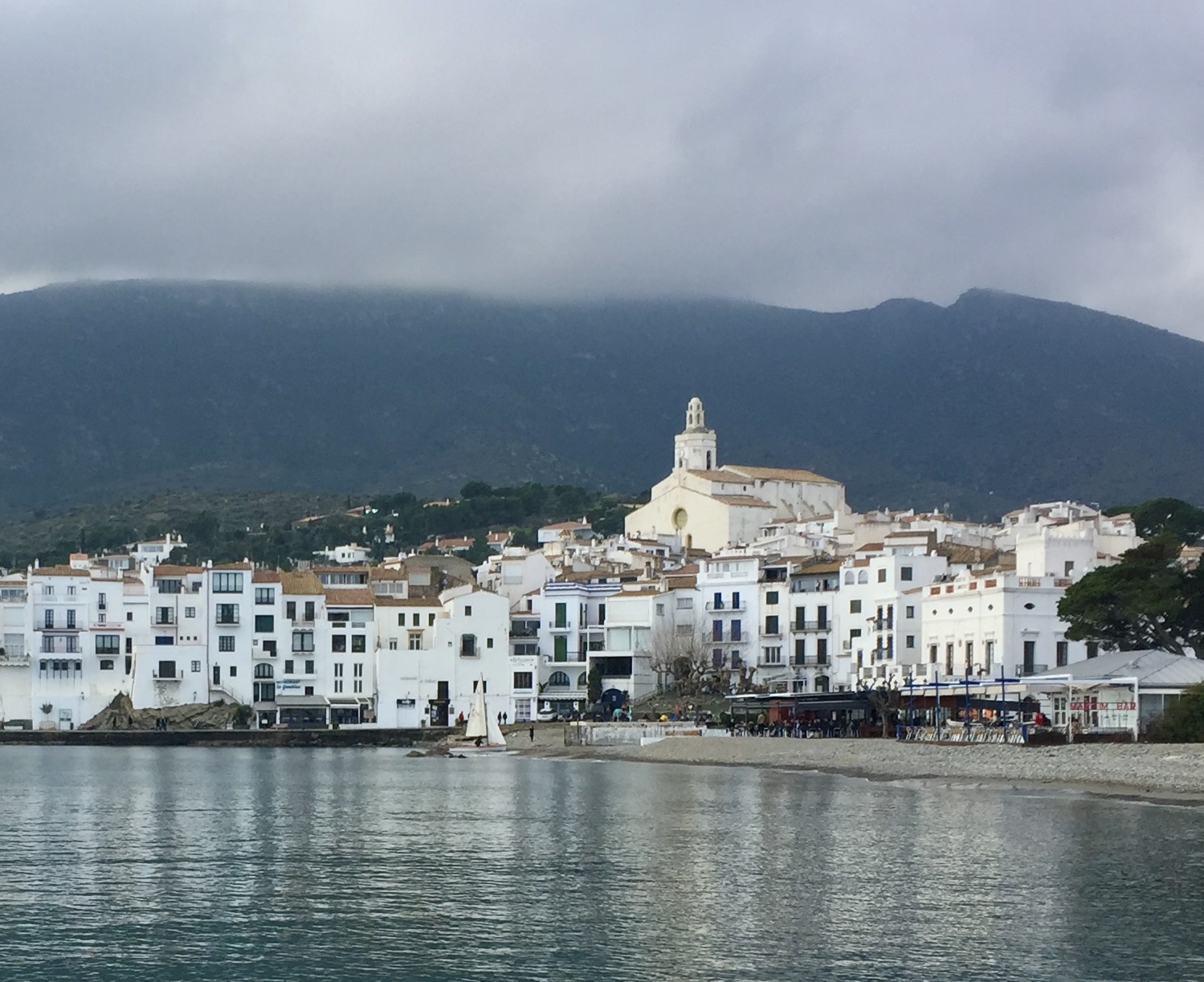
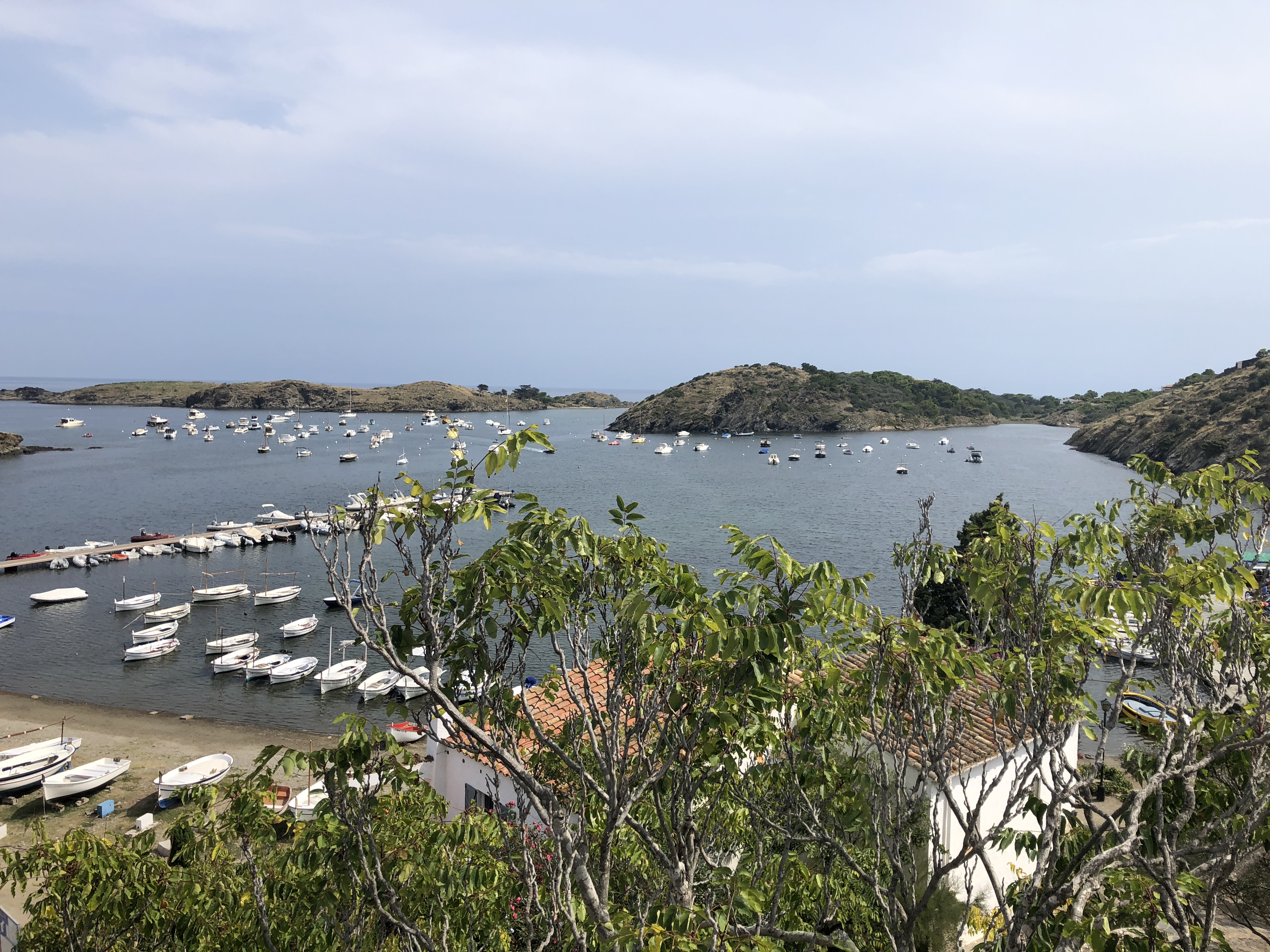
Since I joined the expat group here on the Costa Brava, I’ve learned about a lot of places of interest around me and some great restaurants. My list of places to take visitors has now grown from Cadaqués, Salvador Dalí’s house in Port Lligat, Cap de Creus Natural Park, the lighthouse in Llafranç, the Dalí museum in Figueres, the Castle overlooking Begur, and the beaches of Begur (including the sex beach in Calella — so-called by me because one day in January when I thought I was the only person for miles around, I came upon two people on this beach putting their pants on!), to include the wildlife sanctuary in the marshlands, the Botanical gardens (photo below), a cider house in the middle of an apple orchard, and several nearby medieval villages like Pals, Peretallada, and Besalu. I really didn’t want to join a group of elderly English speakers, but they have shown me a lot!

Late-breaking news…I found my white pants! Because I don’t have a dryer, I dry my clothes near the radiator in winter and on a rack on the balcony when there is sun. There was very little wind last weekend, so I hung my white pants over the wide edge of the balcony. Later, after I brought in my other clothes, I realized my pants were missing. They weren’t on the ground or in the bushes or on the terrace below me. I kept looking for days, and today I wandered all the way down toward the water and I saw them. I thought I saw them, it was something white. I had to go get my binoculars to make sure. Yep. But the hill was too steep and rocky for someone of my age and agility to climb. So, I gave my neighbor my mop to use to fish the pants out of the brambles on the other side of the fence which separates our complex from the sea. He thinks my life is just a series of mishaps (that he is often brought into to help solve). Imagine!

This weekend is another weird holiday. They call it “Second Easter”! I think in other parts of the world it’s called the Pentecost, which, according to Wikipedia, is a Christian holiday which takes place on the 50th day after Easter Sunday. It commemorates the descent of the Holy Spirit upon the Apostles. Any excuse…

Barcelona: the Good, the Bad, the Ugly

In the way of the good, there are so many wondrous things the city has to offer. The architecture is beautiful, the museums are outstanding, the cafés and restaurants are plentiful. There are mountains surrounding the city and it faces the sea with its beaches and the port. When the weather is right, there is nothing better than walking the tree-lined streets of the wide boulevards of the Gràcia or Eixemple neighbourhoods or the narrow, ancient ones in the Gothic Quarter.

I don’t go to the Sagrada Familia every time I visit the city, but I have gone every time I have out-of-town visitors. And it takes my breath away every time. I’m an admitted agnostic, but the depth of spirituality and love that Gaudí expresses through his designs and that his followers have maintained, is so apparent and so beautiful that it touches me deeply. It’s truly a unique experience, and I often cry when visiting the Basilica. I tell guests that it is the only essential “must-do” for visitors to the city, even though there are many other delights to be had!

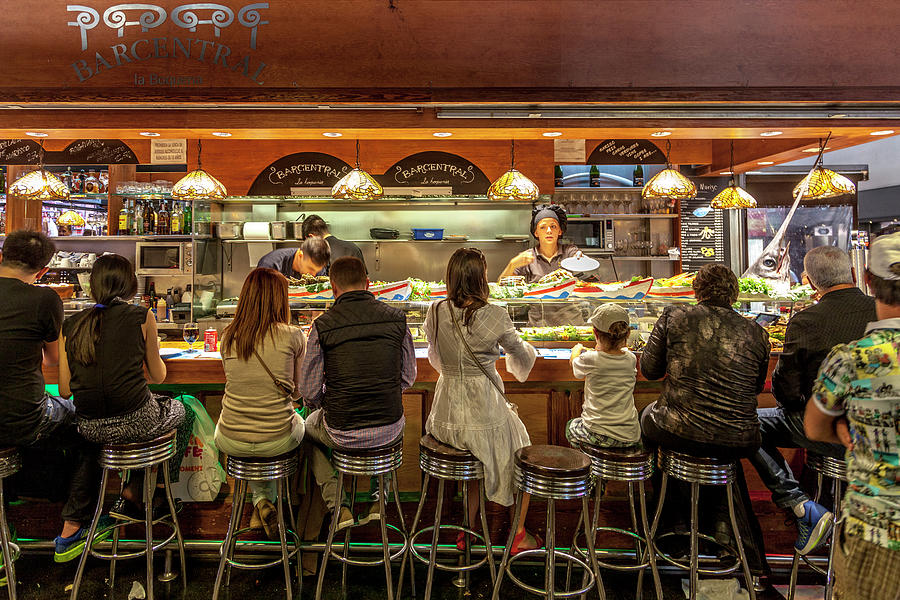
One of my favourite spots is the Mercat de Sant Josep de la Boquería, a market of over 300 stalls in the old city. It is packed with tourists, but there are locals as well, buying fruit, vegetables, fish and meat; and the small bars inside the market have some excellent tapas and sangria! I often stop there when I go into town to shop.

Barcelona probably has some of the best restaurants in the world, but even the multitudes of “average” ones can provide a great experience with Spanish and Catalan foods. My problem is that I just don’t know them! People ask me for recommendations all the time, but I have only a few that I have tried myself. There are lists and lists online of the “best,” but I’m usually only in town for the day and I don’t enjoy eating out alone. I don’t mind having a bite by myself, such as in the market or at a café, but to truly enjoy a wonderful meal, to me, requires a companion to share in the pleasure. So, I’m slowly creating a list. If you have a recommendation that you’ve tried and love, please pass it on to me! So far, Cerveceria Catalana (fabulous tapas, always crowded, no reservations), Terrassa Martinez (incredible view of the port and the city), and the Real Cercle (overlooking the busy pedestrian shopping street, Porta de l’Angel) are my go-to spots with friends.

The bad is that Barcelona can be very crowded, as it has seemed again since the end of widespread COVID. I’ve heard that Barcelona is the second most visited city in Europe, after Paris. And there is also the crime – primarily petty crime such as pick-pocketing, which requires some vigilance. I’ve been a target — a slashed tire, a broken car window, a potential shake-down averted…

The ugly, I would say, are the unfortunates. There are homeless in Barcelona as there are in all big cities, but I don’t see many, and there are beggars on the streets. But the most disturbing sights are the seriously deformed. I’ve encountered several asking for a handout who are crippled beyond belief, misshapen and contorted. Not to receive a pat on the back, but I always give these people money. Their lives seem destined to be miserable from the start. Some may have support or family that is not visible to me as I pass by, but I can’t help but worry that they have no one to help them, maybe they were abandoned by their families or they just outlived them. It’s extremely upsetting. I’ve heard people say that some beggars actually have plenty of money, that they live on the streets because they prefer it. Some are happy and like the lives they live. That may be true in some cases, but not these people. It seems impossible.
To end on a lighter note! I had another fabulous sunrise recently, and … a great visit with US friends…

Visitors return…

My first year here in Spain I entertained 30 visitors – friends and family. It was fun all the time… overwhelming and tiring at times… but always welcome!

The next couple of years due to COVID, I had many fewer visitors (almost none). While I love being here alone in my little paradise, I also love seeing my friends and family and showing them the wonders of the Costa Brava. So, after a couple of years “off duty,” the visitors are coming back! I’m putting on my tour guide hat again. The parade has begun!

In the past, I’ve not commented a lot on my travels. I guess I’ve had more to say about the culture and customs, but it seems time.

One of the first stops for all of my visitors to Begur is to Salvador Dalí’s house in Port Lligat near Cadaqués, Spain. It’s about an hour and a half from here and the drive, though slightly “white knuckly” toward the end, is also stunning. It’s a charming town just a hop skip and a jump from France.

Dalí chose to make his primary residence just up the road in Port Lligat. He took several old fishing huts and converted them into a somewhat bizarre one bedroom home (so that no guests could spend the night), studio, and garden for himself and his wife/muse, Gala. I could write about Dalí all day, but suffice it to say he was an eccentric artist whose house/museum is worth the price of admission. I’ve taken almost all of my guests there and been on the tour probably a dozen times or more. The guides recognize me now. I think I know the spiel by heart. Cadaqués offers several great restaurants!

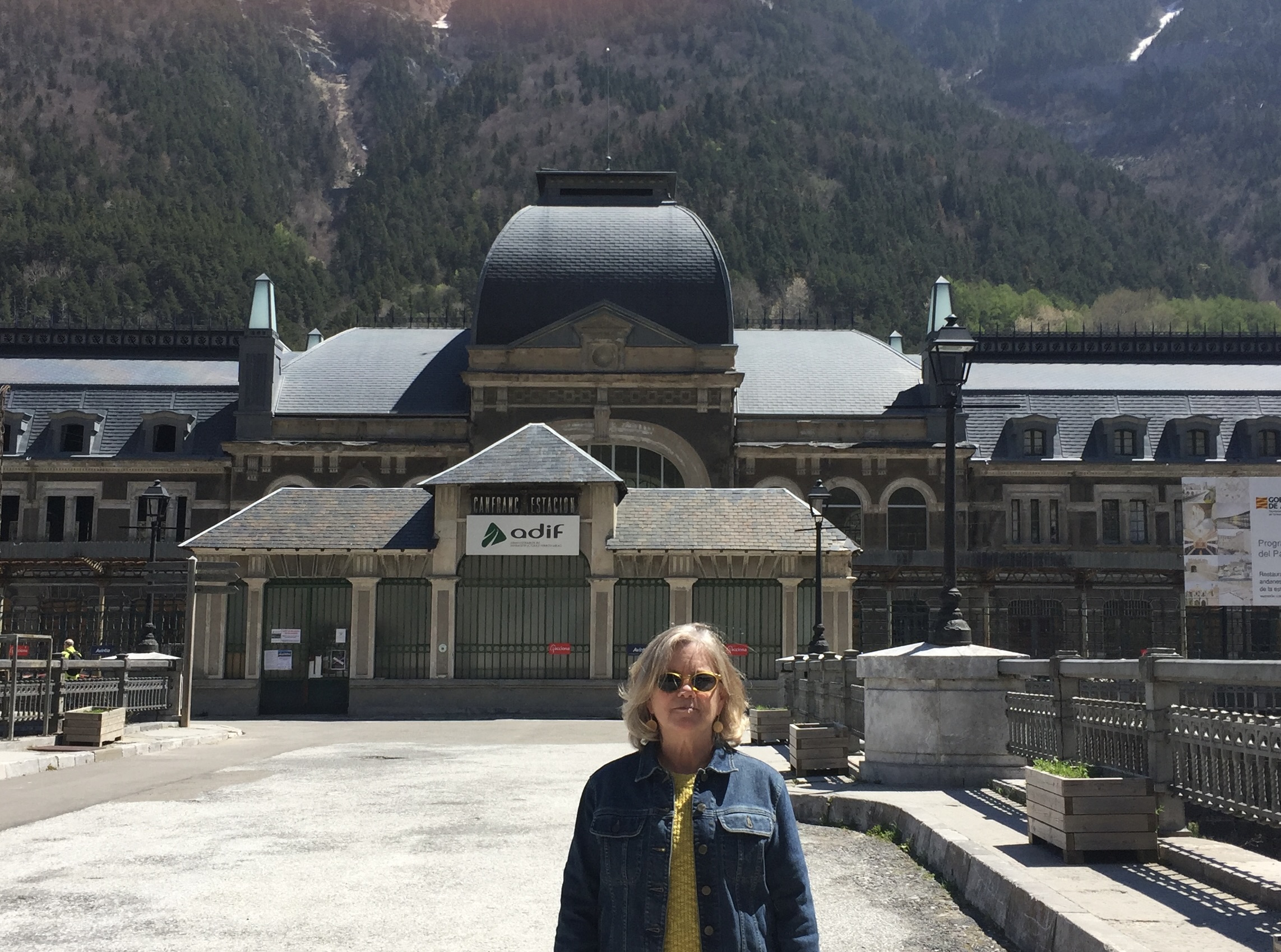
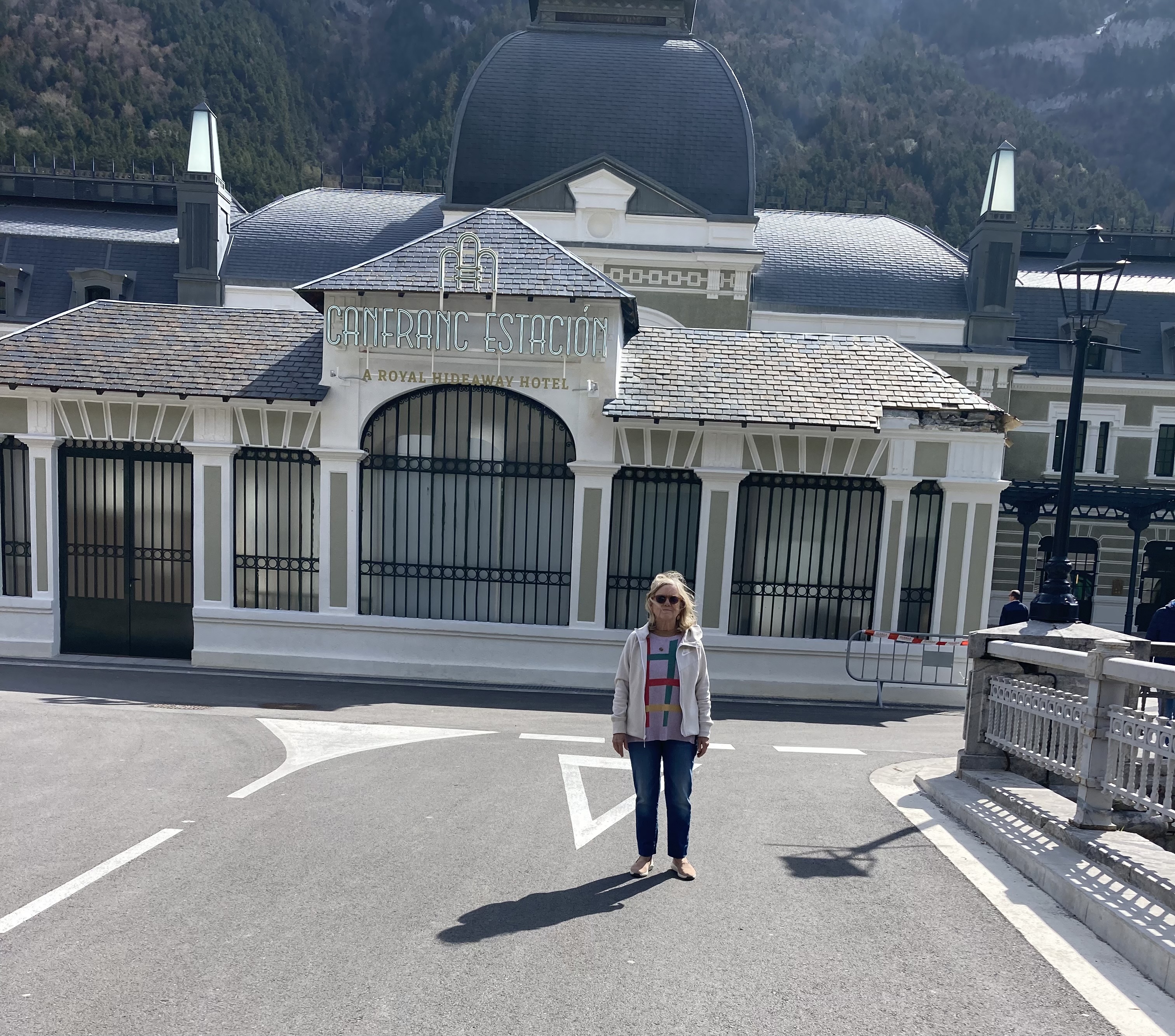
Another recent visit was a return one to Canfranc station. This enormous railroad station is basically in the middle of nowhere, midway in the Pyrenees between the Bay of Biscay to the north and the Mediterranean to the south. It was chosen because of its position on a direct route from Paris to Madrid and because of its strategic location in a narrow pass between the mountains that would make invasion from France very difficult. Originally conceived in the 1850’s, the station was not completed until 1928. It was an important link between France and Spain and Portugal during WWII (“Casablanca of the Pyrenees”) – a safe passage for Jews, allied troops, and other refugees from occupied France. It was a place full of intrigue and after being taken over by the Nazis, it was also a vital link for trafficking tungsten from Portugal and Spain to Germany for the manufacture of bullets and tanks, in exchange for Nazi gold from Germany.

After the war, the station slowly fell into disrepair until it eventually was closed down completely in 1970 after a derailment. Recently, it’s been restored into a 5-star hotel, so a return visit was in order.

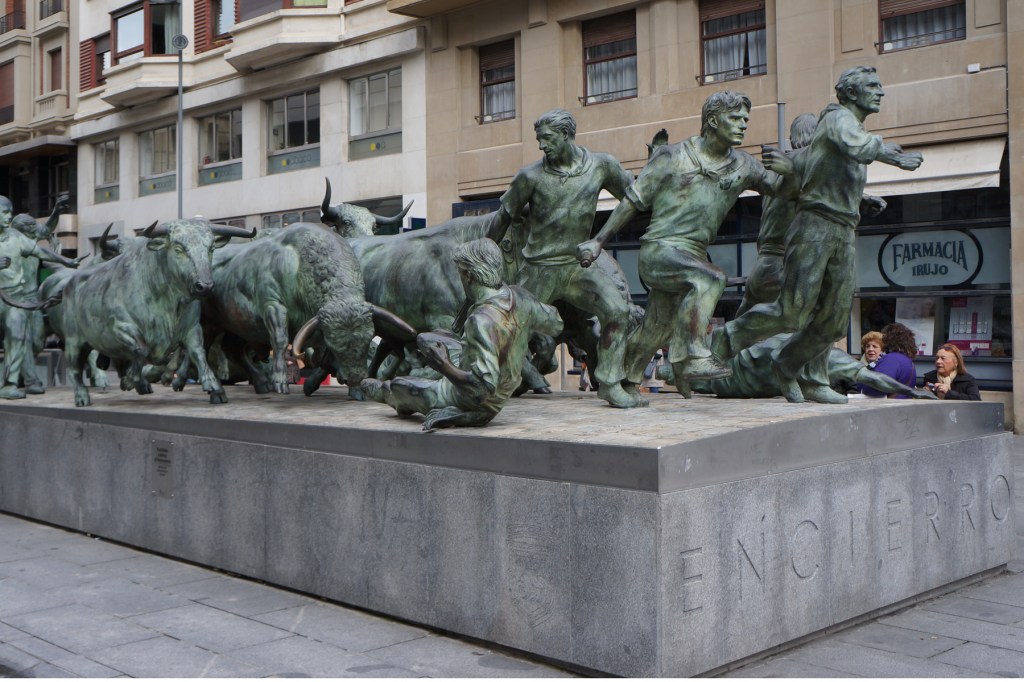
Pamplona is an all-time favorite of mine. Tapas are everywhere and are the best! Maybe San Sebastián has them beat, but Pamplona is a lot of fun. It’s the scene of course of the annual running of the bulls, and much of the small city is focused on bulls and the bullring. Catalunya where I live has outlawed bullfighting, proving how humane and progressive they are!

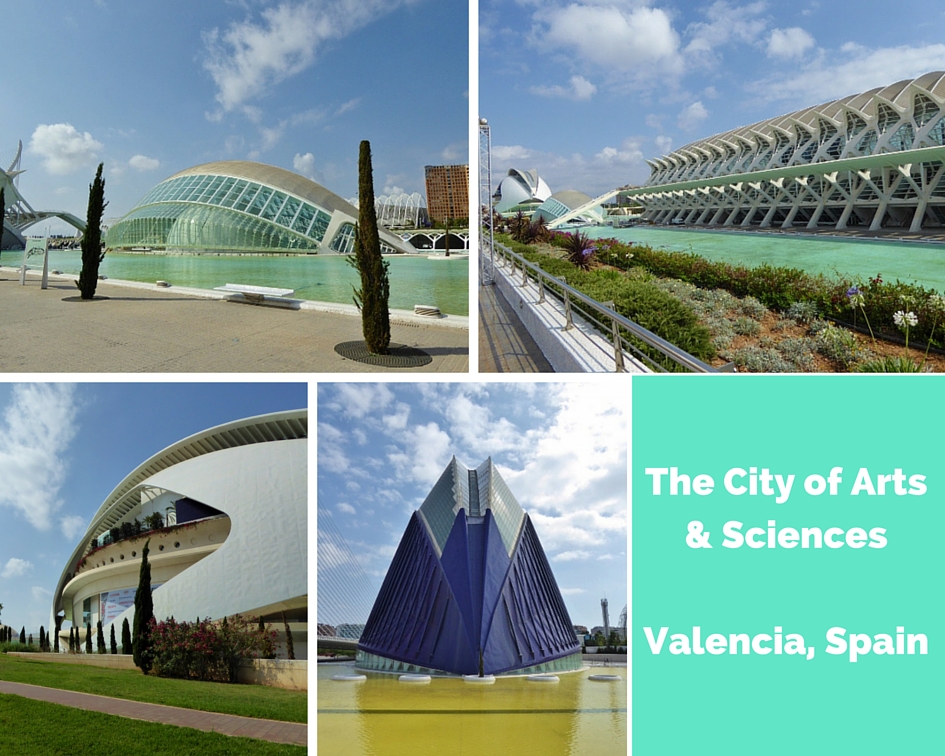
Valencia has impressed me. Catalans diss it, but it’s a beautiful city, the third largest in Spain. Besides the old town with its charming plazas, there is a City of Arts and Sciences – an area of town at the end of a long and vibrant central park built on a dry riverbed – with six very modern, dynamic buildings housing a planetarium, aquarium, science museum, and performing arts center.

My final stop during this trip was Tarragona, but my neck went out of whack and I missed the Roman amphitheater. Damn it. I’ll have to go back one day…

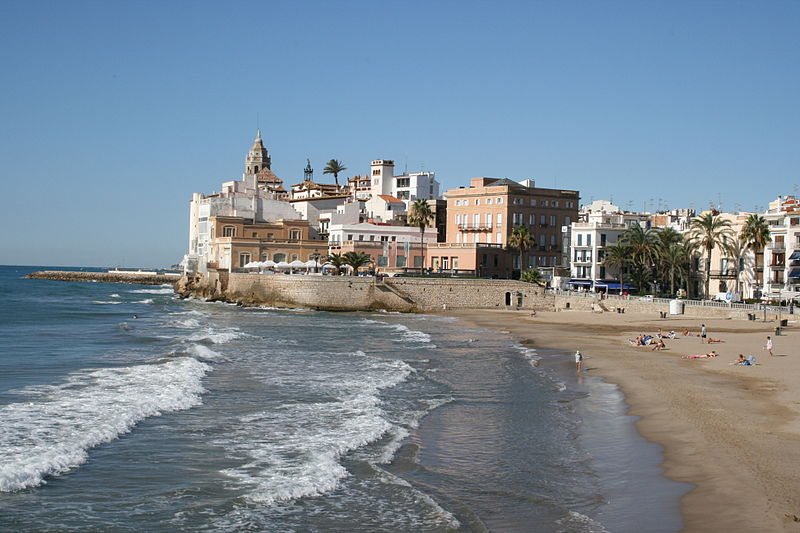
Often the last spot on my “tour!” of the Costa Brava is Sitges, a beach town with the reputation of being gay-friendly. That probably began during a time when the rest of Spain was not-so-much gay-friendly. But now, the city continues to have lots of rainbow flags and gay bars, but there are also families and tourists of all stripes. It’s just 25 minutes from the BCN airport, so it makes for a nice relaxing evening at a restaurant overlooking the sea prior to a stressful early morning flight!

Come try it with me!

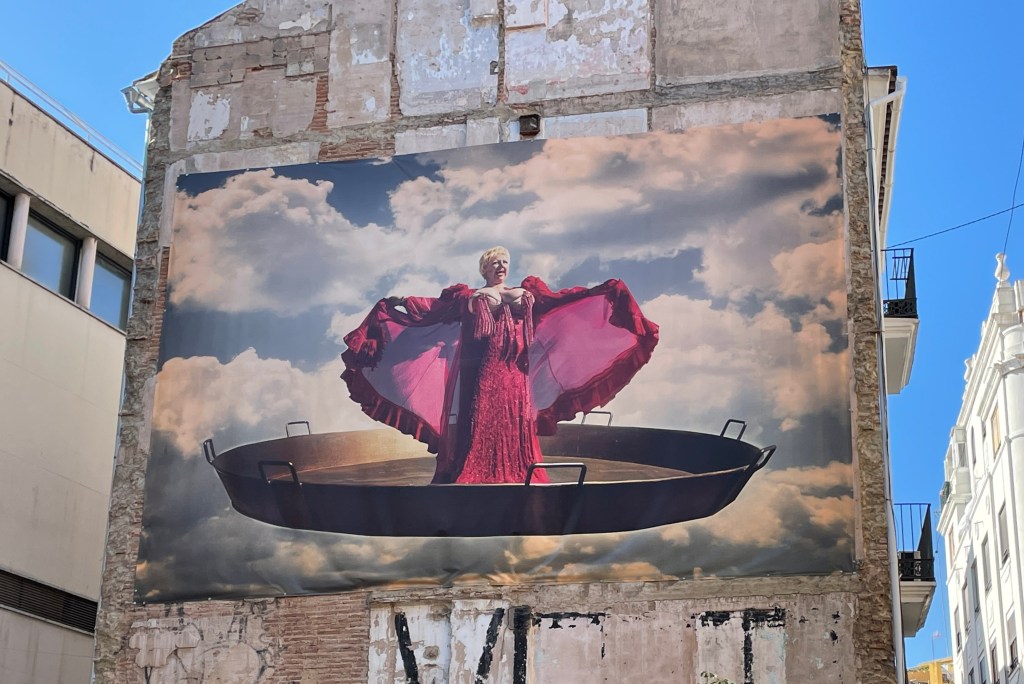
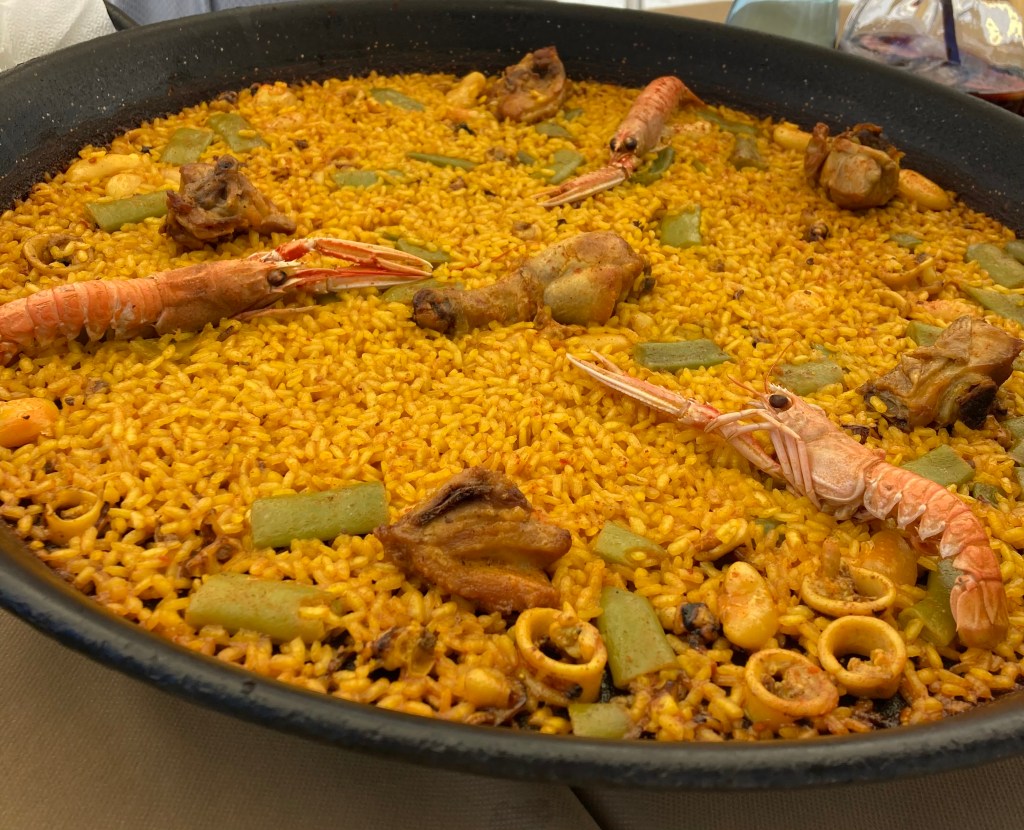
And then there was a mural near the airbnb in Valencia (home of paella)! Wha? A lady with large tassled breasts in a frying pan where the paella should be!

Higher and Higher

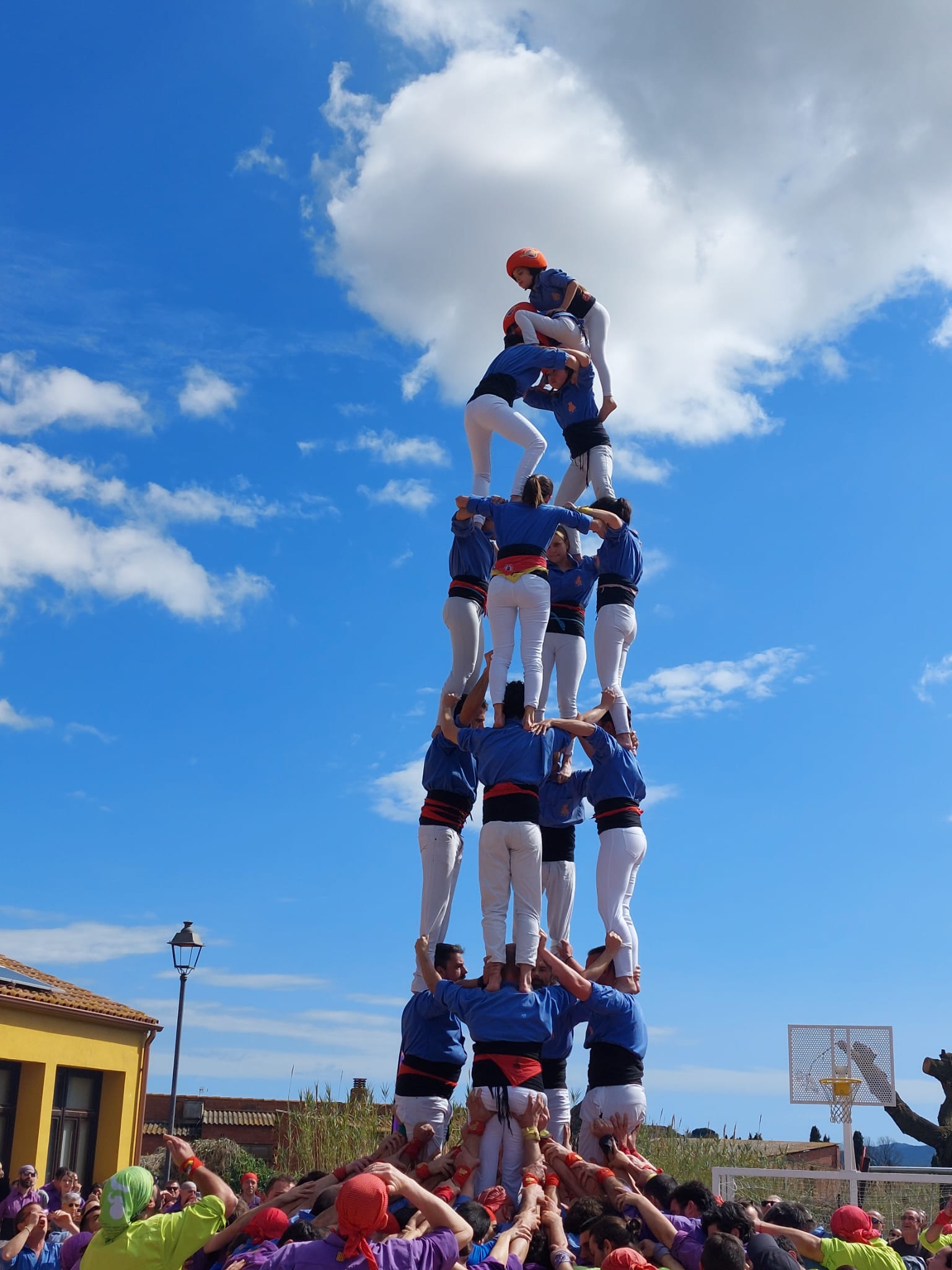
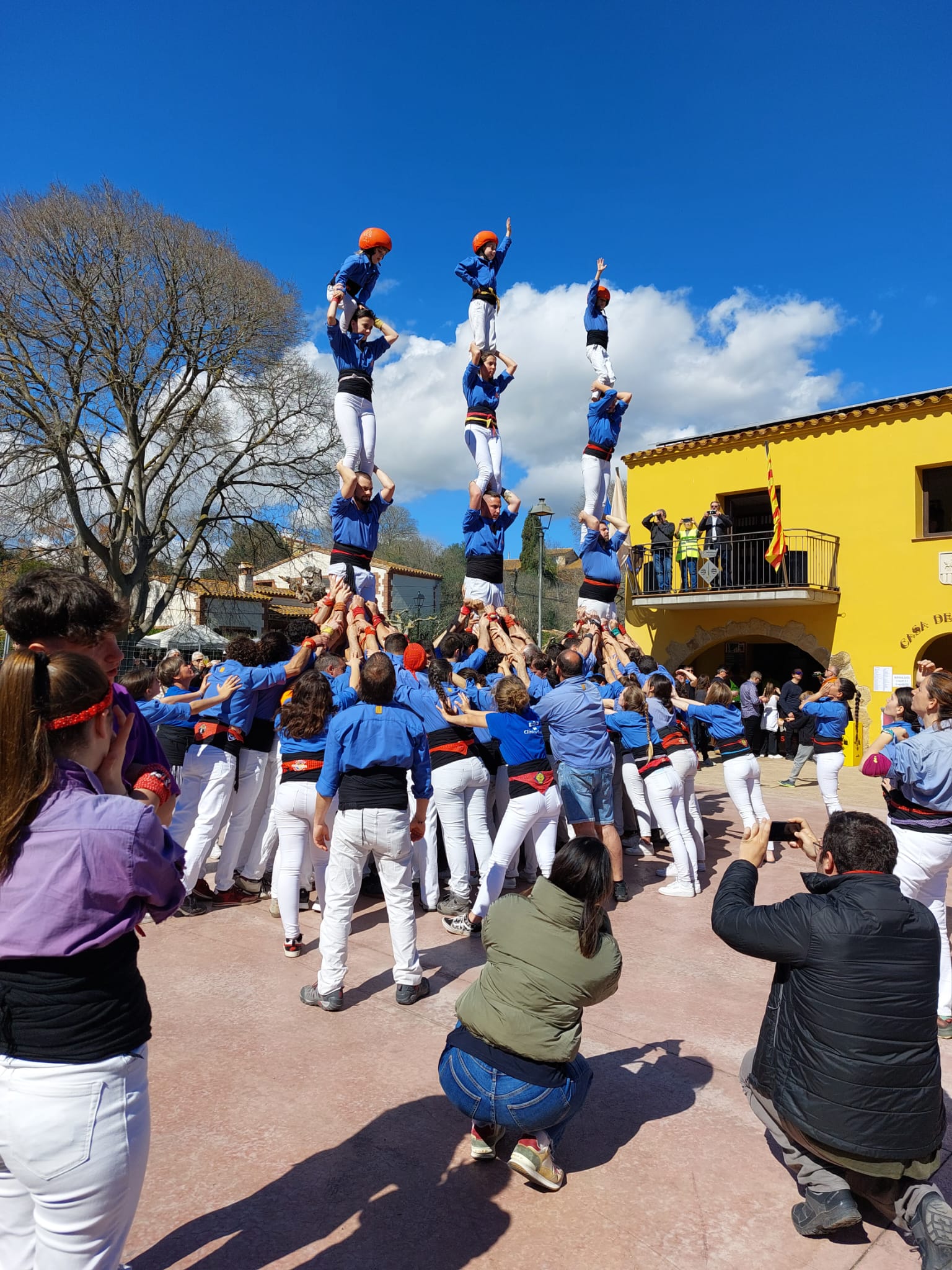
That’s me on the top on the right!

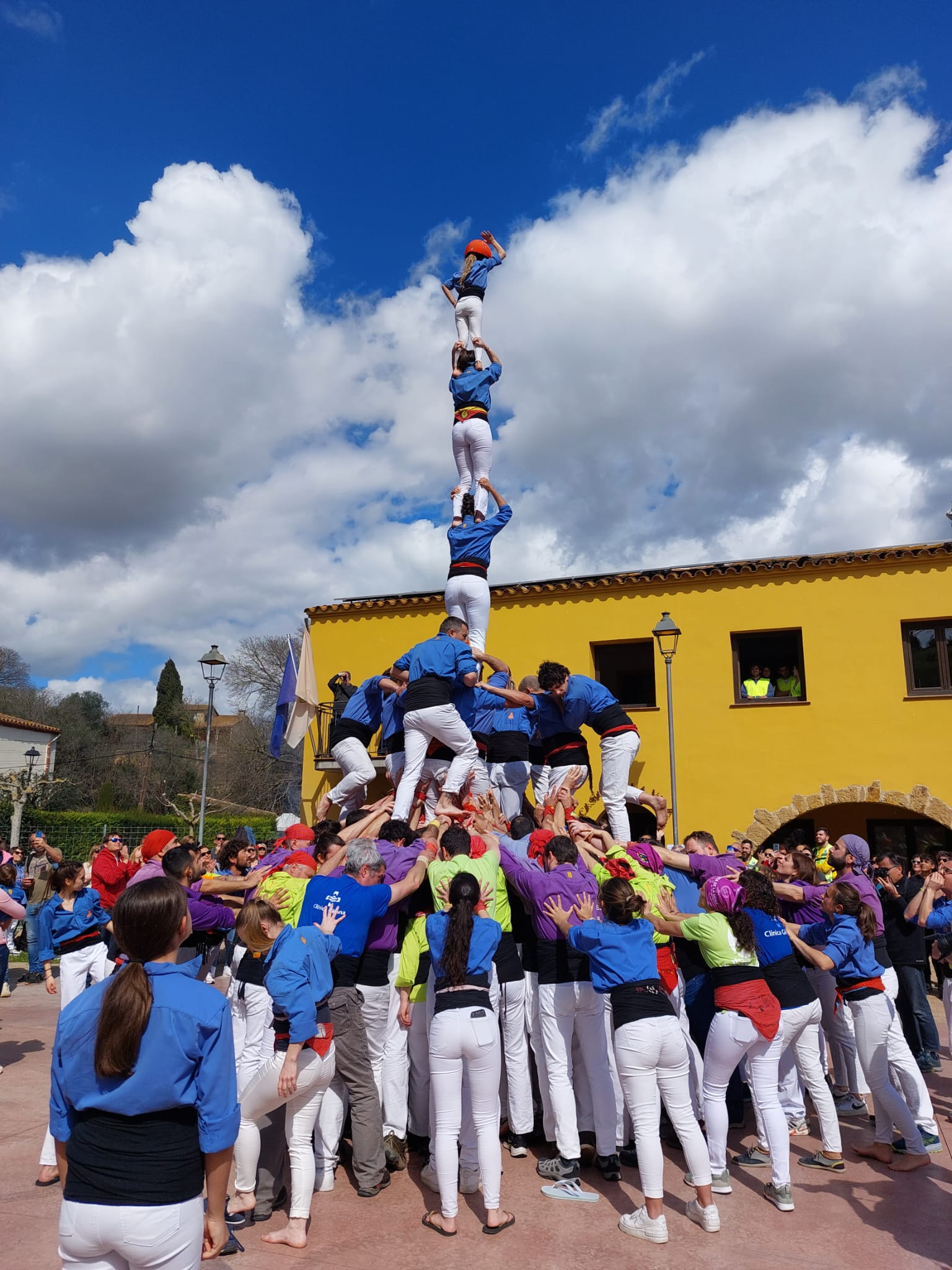
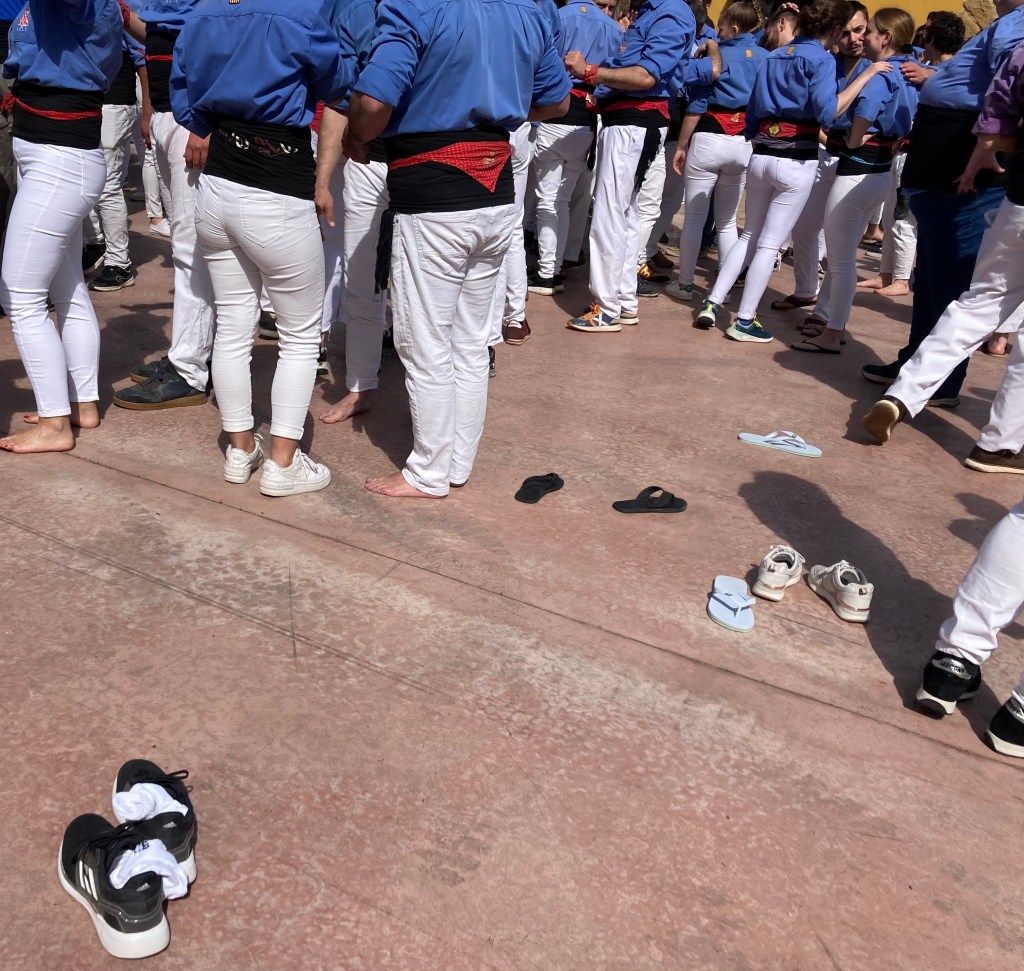
Just kidding. It’s a child. Yes, they have the children climb up to the top of the human towers (“castells” in Catalán). They’re built at festivals in Catalunya, typically in front of the town hall balcony (as in my photos taken in the small town of Fontanilles). The activity was declared a “masterpiece of intangible heritage” by UNESCO and recognized as an integral part of Catalan culture. Castells were featured in the opening ceremonies of the Olympics in Barcelona in 1992. The first castell was documented in 1712, and in the 1980´s, women were permitted to join in, which allowed the towers to be built higher, sometimes up to nine and ten stories. The highest castell I witnessed being built was seven stories.

The castellers typically wear white trousers, a black sash, a bandana, and a shirt in the color of their team. The sash supports the lower back, and it’s used as a foothold or handhold when climbing up the tower. The castellers usually go barefoot in order to minimise injuries as they climb and also for increased sensitivity when balancing.

The castell is built in two phases. First, the base is carefully formed to sustain the weight of the tower. As subsequent levels are completed, the castellers in the base decide if it is solid enough for construction to continue. Members at the base act as a safety net if the tower collapses, cushioning the fall of people from the upper levels. When the signal to proceed is given, bands play the traditional music and silence is requested of the spectators. The upper layers are built as quickly as possible to put minimal strain on the lower castellers. The assembly is complete once all the castellers have climbed into their places, and the “enxaneta” climbs to the top. The enxaneta (a child) has to stand up and raise one arm, then climb down the other side, after which the remaining levels of castellers descend from the top down. A castell is considered a success when the tower is assembled and disassembled fluidly.

The disassembly of the castell can be the most treacherous part of the event. One of the towers fell while I was watching the spectacle in Fontanilles. I turned my back so I wouldn’t see, but it ended well with the members of the base protecting the climbers who fell.

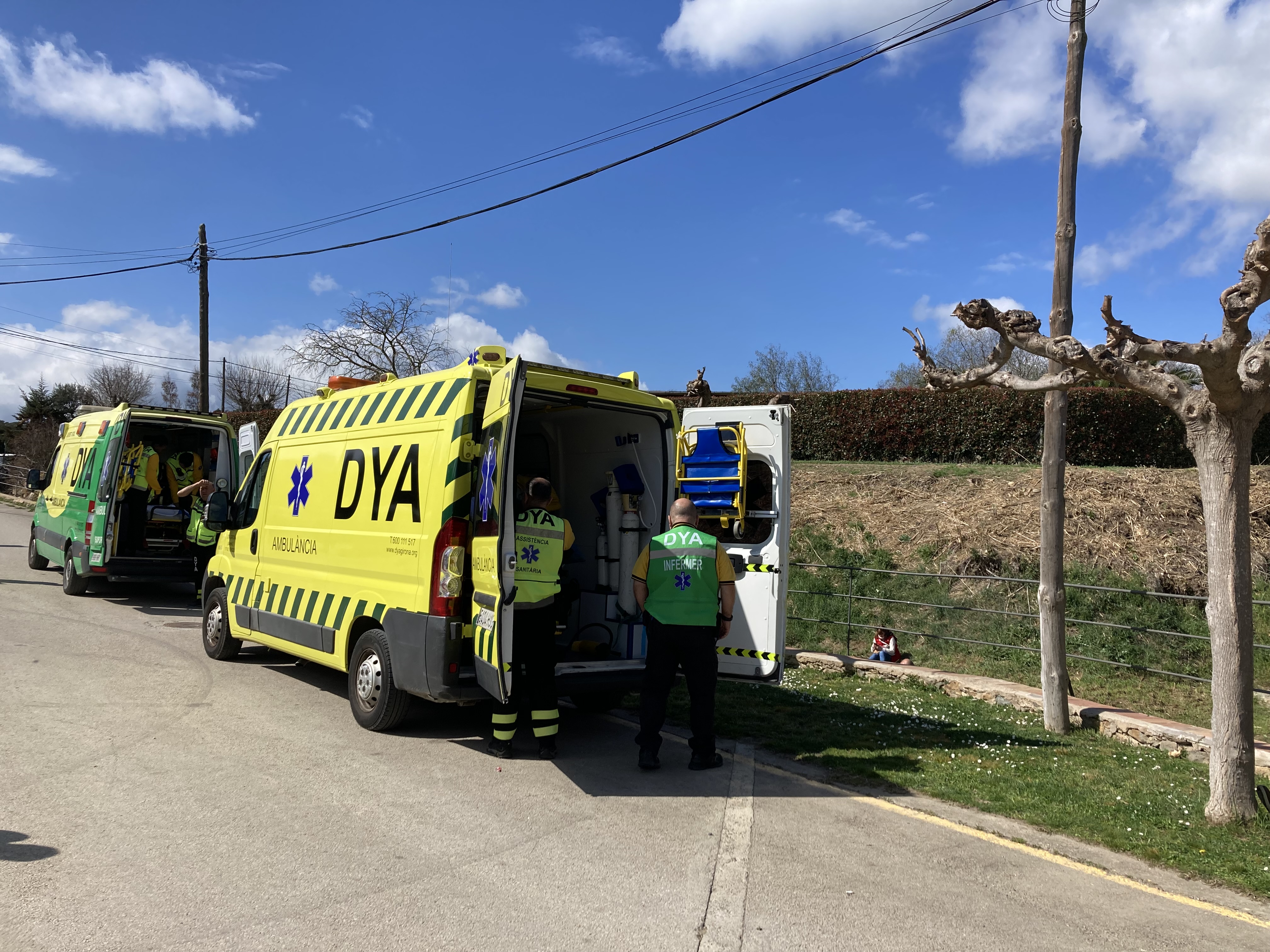
The motto of the castellers is “strength, balance, courage, and common sense.” Accidents are rare during the construction of a castell; however, ambulances are stationed nearby. In 2006, a young casteller  fell off the formation and died, which led to the requirement of specially designed helmets for all participating children. There have only ever been four recorded mortalities.

It was a fun experience and although there are towers built in areas where tourists can be spectators, this event was solely for the benefit of the performers and the local audience. It was thrilling, and to my knowledge, there was not a tourist in sight. There was an olive oil festival at the same time. I bought some olive oil and some incredible black olives marinated in caramelized onions and some green ones in garlic and parsley. I love being a part of things like this.

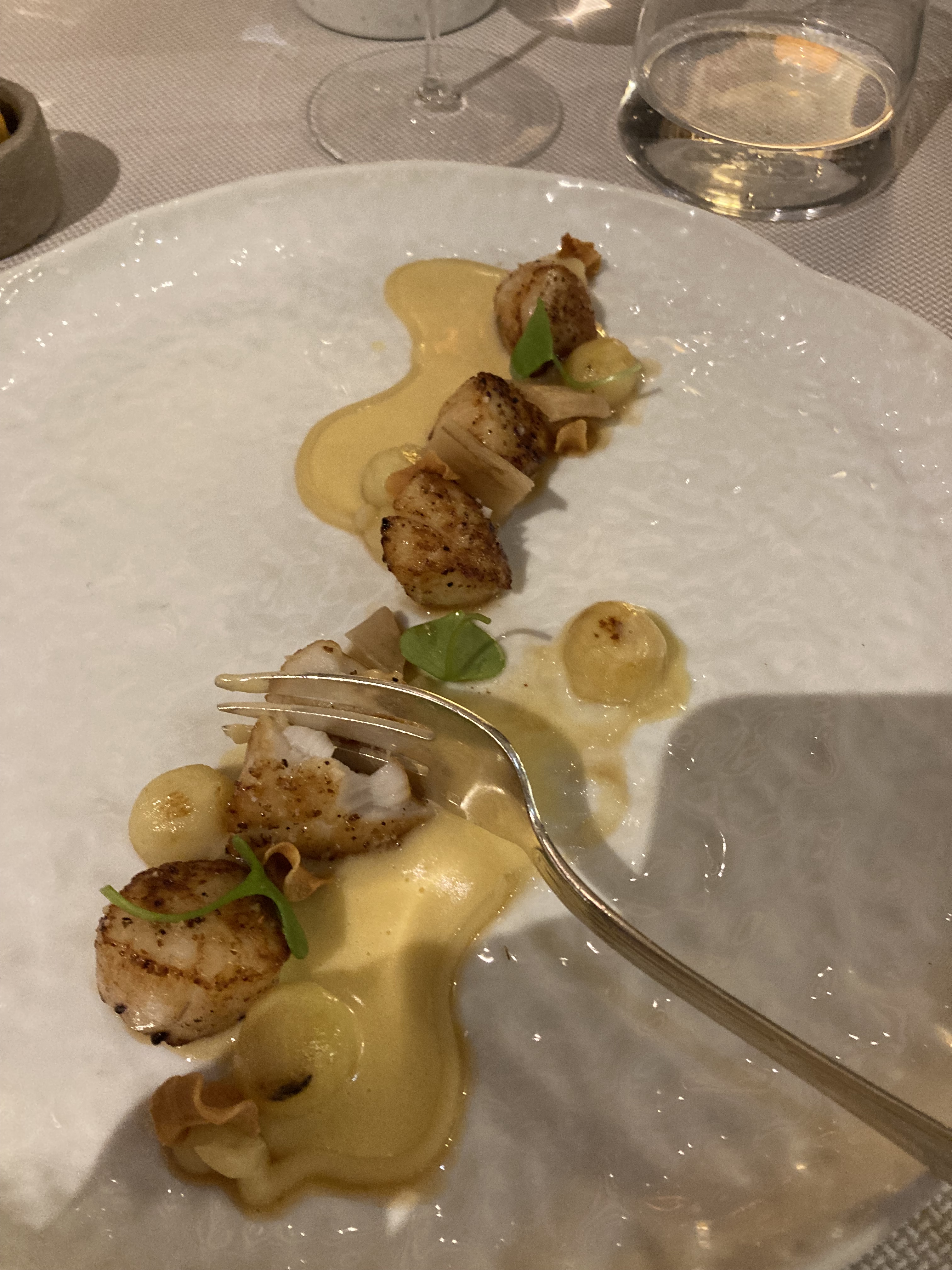
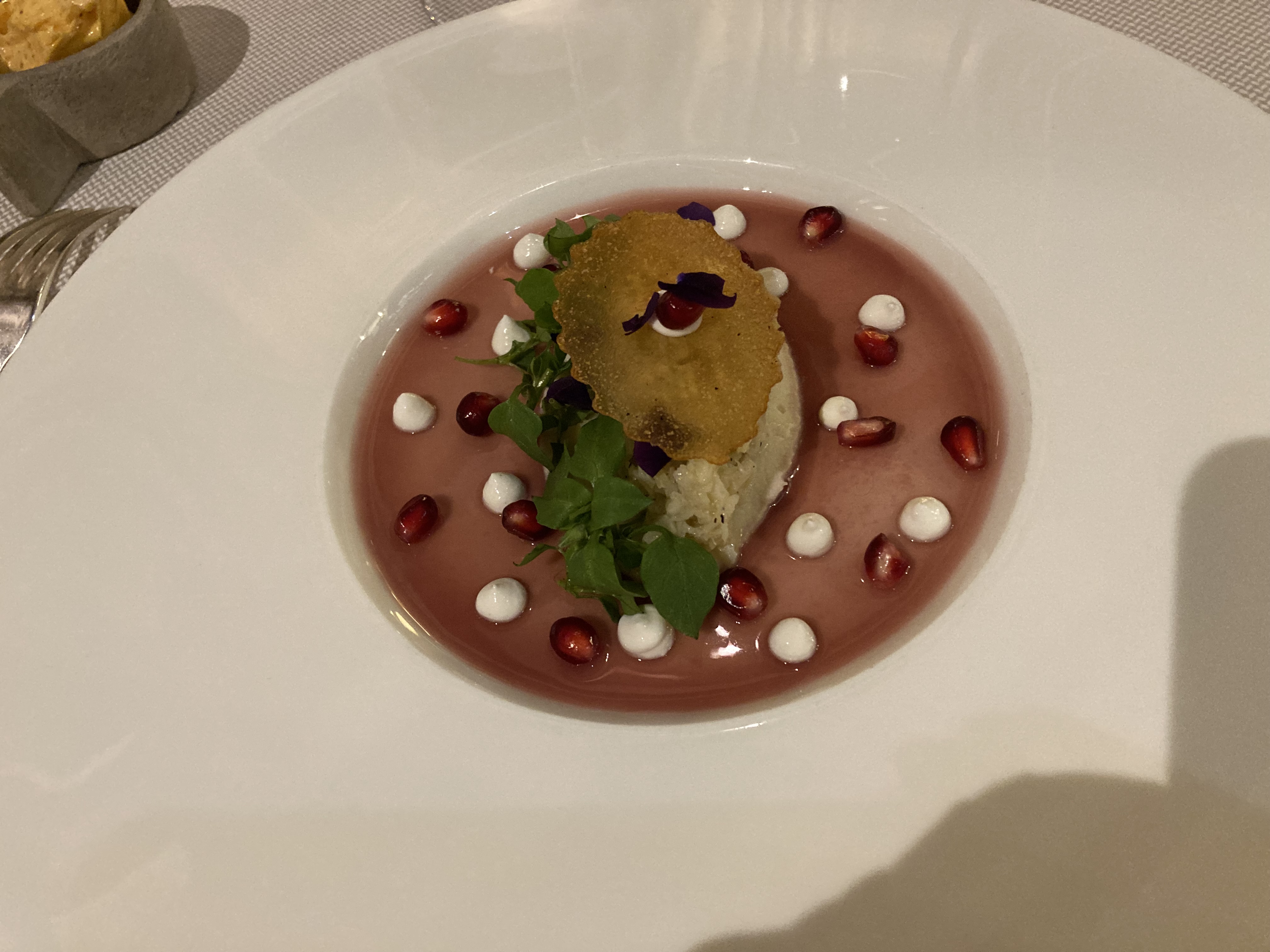
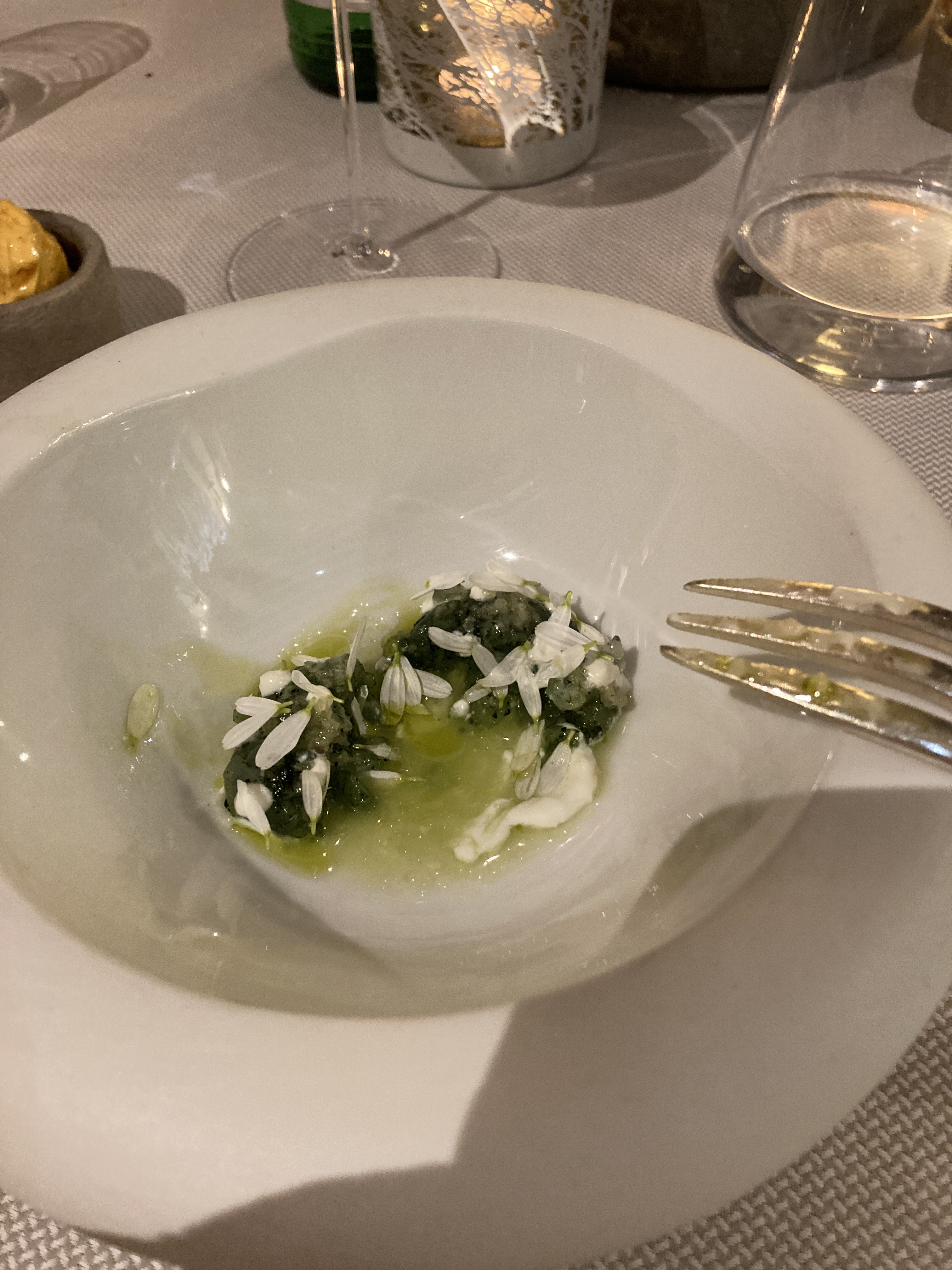
This past week, I took a quick trip to Rogny-les Sept-Ecluses in France for my friend’s birthday. We had a fabulous meal at a Michelin starred restaurant, L’Auberge des Templiers in Boismorand. YUM!! My favourite is in the first photo: a mousse of raw shrimp inside a soft-boiled egg with some creamy foam on top and herbs. The second photo is of some delicious scallops, followed by shrimp with wasabi and a spider crab creation. Not really sure what anything was as the wait staff spoke little English, but it all tasted good!

The day I arrived to Gare de Lyon it was PACKED! It was like Mardi Gras in the Quarter back in the day! I was a little frightened about being crushed. It was a Friday and I think all of Paris was trying to get the Hell out of Paris! I was worried about getting back to Begur on the train. There were threats of cancellations due to the strikes and there was an added worry because there had been a breakdown on the high speed line in Barcelona the day before and 95 people had to be evacuated THROUGH A TUNNEL! Not something I’d like to experience! On the return trip, things had gone back to normal in the Paris station and my train wasn’t cancelled and all went according to plan. Whew! It’s always something!

And just like that…

The snow melted on the mountains, I’m wearing shorts (albeit with a sweater on top), and the tourists are coming. Everything changes with the weather: clothes come off, flowers bloom, things get busy…

I’ve noticed, and locals have confirmed, that the tourists and second-home owners are coming to the coast earlier in the year since the Pandemic ended. It used to be that things didn’t start ramping up until Easter, but COVID put a new spin on everything, especially escaping the cities.

I have a love/hate relationship with the tourists and second-homeowners here. The love part – I’d say that’s stretching it, more like the tolerant part – is that without them, the shops and restaurants are closed. And when they arrive, whoo hoo! We can eat out again, even during the week! And the cute boutiques where I overspend open their doors. But the hate part is that I don’t want to share. This is my part of the world. I live here through rain and WIND and dreary days. They sweep in during the sunshiny days and act like they own the place! But they haven’t suffered! It’s not just the suffering. They don’t have the appreciation of the calmness, the emptiness, the wildness, the beauty.

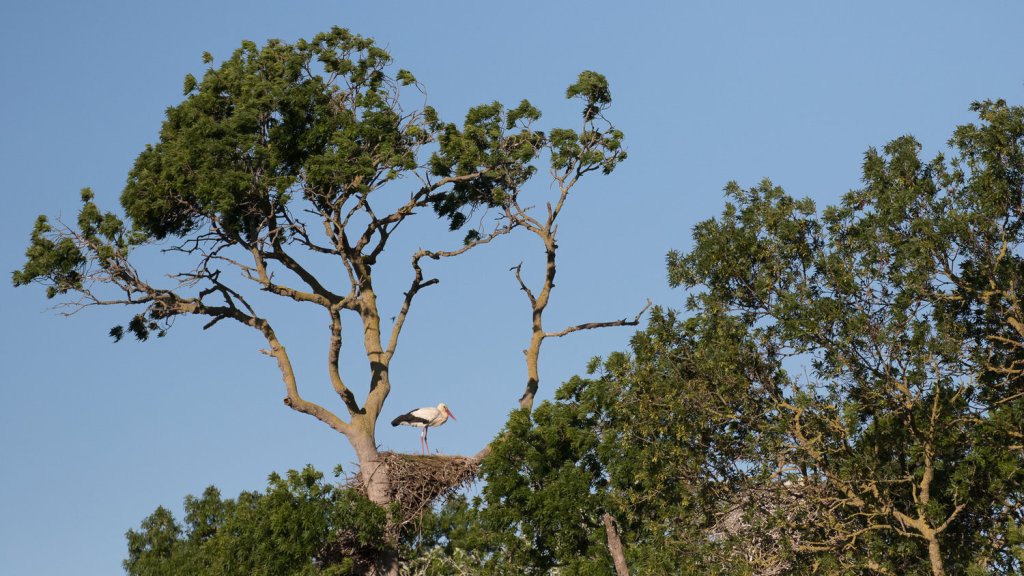
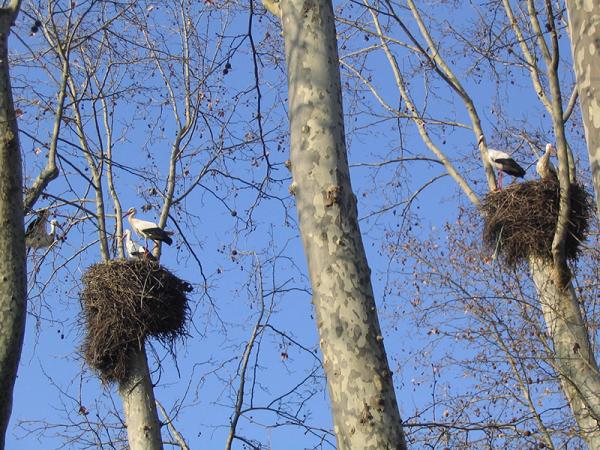
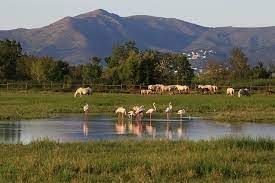
I don’t have much to report. During these past two weeks, amazingly, I’ve had no calamities! I did have one lovely experience. I visited a bird and animal preserve in a marshy area just about an hour north of me, called Aiguamolls. I saw storks, flamingoes, tons of ducks, wild Camargue horses, beaver, deer, cormorants, ibis, and other birds I couldn’t identify. The storks were amazing. They make a sound by clapping their beaks together. It’s very loud. The Preserve says that every visit is different, depending on the migratory birds that are taking a break at that location at that moment on their way north or south. And at one end of the preserve, it opens up onto a beautiful beach with a fantastic view of the town of Roses, Spain.

Oh, and I did stay up till 5:00 a.m. to watch the Oscars live last Sunday after walking 10 km earlier in the day. I don’t think I’ve stayed up all night since the disco days! It kind of whipped my ass. It’s always been something I enjoy watching, although the next day I had to skip yoga and I spent a large part of the day on the sofa.

The photos below of Aiguamolls wildlife are not ones I took myself. It was a very gray day and my photos aren’t very good, but these are representative of the exact sights I saw while there.

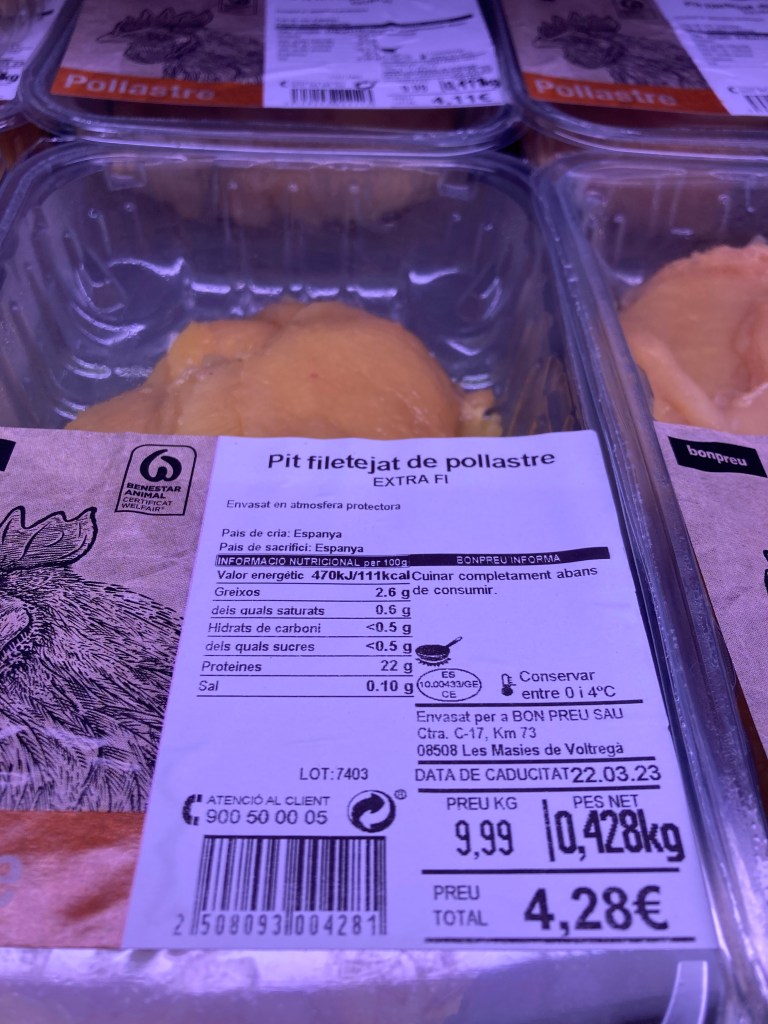
Bonus grocery store update. I bought this chicken thinking it was regular chicken breasts, right? Well, it’s chicken breast “extra fi” – extra thin. The breasts were sliced paper thin. I’m not sure the purpose of this cutting of the chicken, but it didn’t work out as planned for my chicken caesar salad.

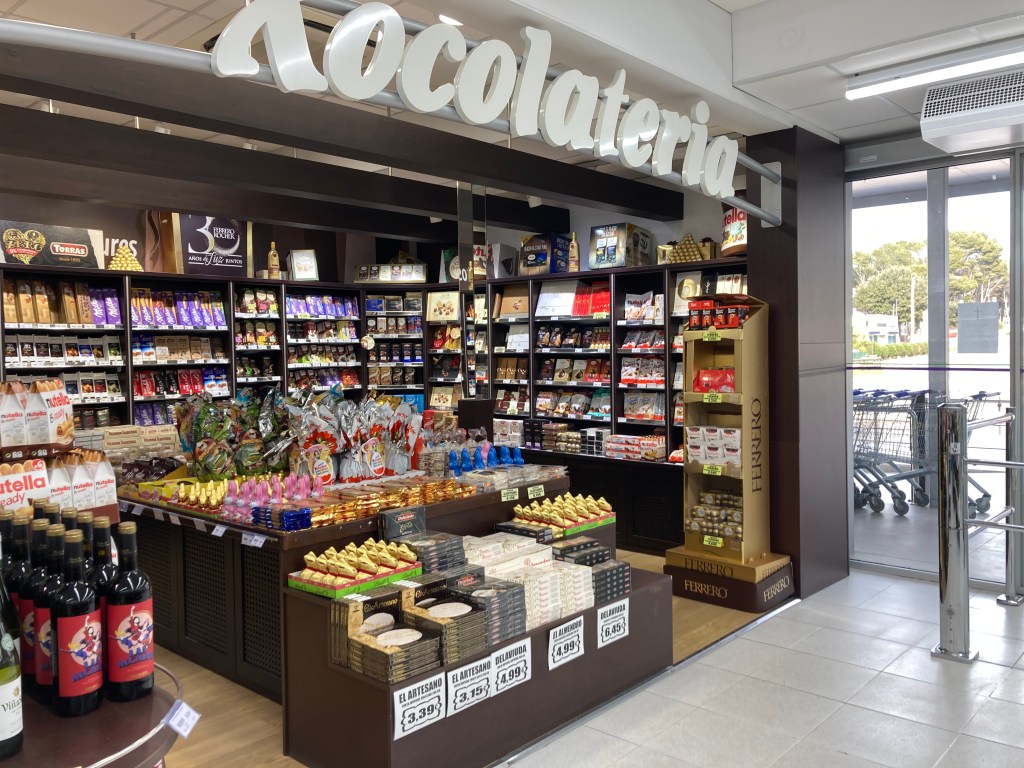
Also, I mentioned previously about the big aisles in grocery stores dedicated solely to chocolate. This store, which I go to because the wine I like is on a lower shelf that I can reach, has a whole alcove dedicated to chocolate, the Xocolateria. Sorry, I cut the X off in the photo.

Weird Holiday Traditions cont.

After Catalunya’s Christmas traditions of the shitting shepherd in the manger and the blanketed log that shits presents for children on Christmas Day [See “Poopers” post of March 5, 2019]…then we get the also weird, but less anally-related celebration of Lent.

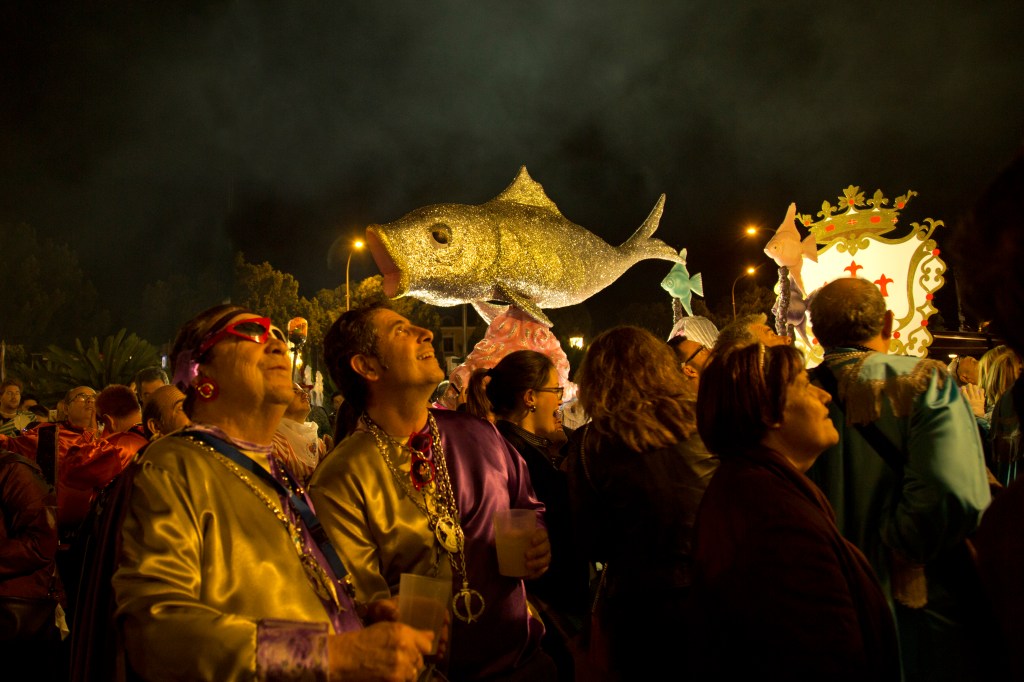
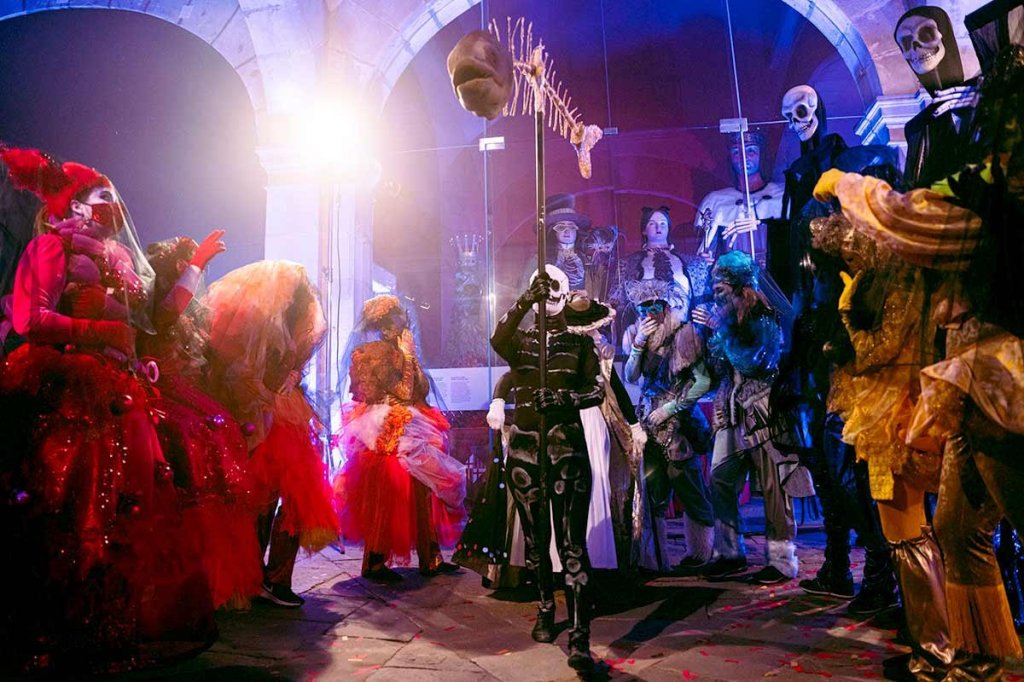
Brazil and New Orleans come to mind when you think of Mardi Gras. Of course Mardi Gras means Fat Tuesday in French…but what about Fat Thursday (Dijous Gras)? Yes, the Catalans start early. They have a week of celebration before Lent officially begins on Ash Wednesday. Fat Thursday kicks off the beginning of Carnival or Carnestotles in Catalan. On this day, families traditionally get together to eat a potato omelette (truita espanyola), boiled eggs, bacon, and egg sausage (butifarra d’ou). The day also signals the arrival of the king and queen of Carnival. The following days are filled with parades of floats, dancers, and marching bands.

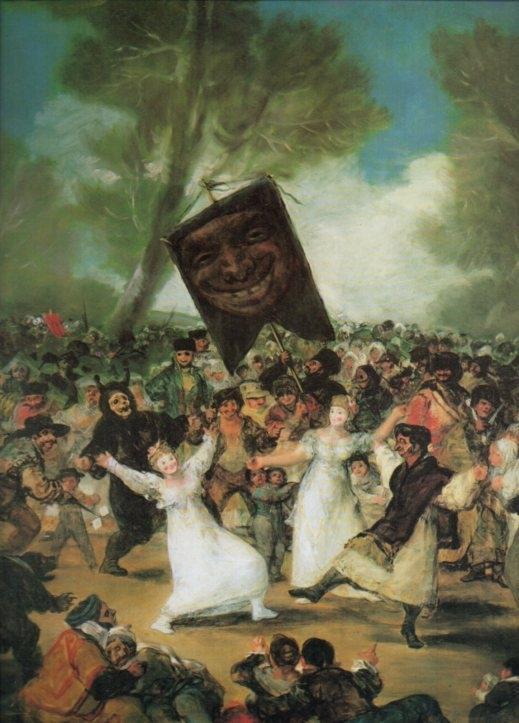
Ash Wednesday marks the end of Carnival and the beginning of Lent, and on that day a funeral procession featuring a brass band and headed by a huge effigy of a sardine winds its way through the streets of the towns. Once the procession has reached its destination, usually the main square of town, a character of upstanding reputation addresses the sardine with a satirical testament de la sardina. After the ceremony, the burial of the sardine takes place and its effigy is set on fire.

The King of Carnival, el Rei Carnestotles, is usually dressed in an outlandish fashion throughout Carnival and adopts an irreverent attitude at all times. He also dies on Ash Wednesday and is buried in a grave following a funeral procession, where he is accompanied by his widow and friends. The colorful costumes are exchanged for black mourning clothes. Traditionally, on this day fish is eaten. Of course.

The tradition was memorialized in Goya’s 1814 painting, El Entierro de la Sardina.

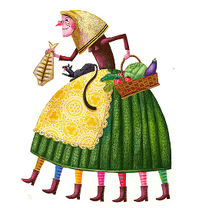
The primary symbol of Lent throughout Catalunya is an old woman with seven legs representing the seven weeks of Lent. La Vella Quaresma (“The Old Lent”) is a visual personification of the passage of the 40-day fasting period beginning on Ash Wednesday. The cod and basket of vegetables in the old lady’s hands are a reminder to stick to the diet of permitted foods. The tradition of the Vella Quaresma is to break off one of her legs at the end of each week until, on the final week, she is left without any legs. The tradition is directed at children who are happy to perform the leg-breaking task. To commemorate the end of Lent on Maundy Thursday, the Thursday before Easter Sunday — she is burned like the sardine.

There are various origin stories for these traditions, but they’re too weird to repeat.

I finally got my car inspected! And I got my official residency card! I’m sooo legal! Except I haven’t gotten a Spanish driver’s license…gotta keep it interesting, living on the edge…